
What Is The ISF Importer Security Filing Section Continuous Transaction Bond Rider (ISF Section-CTB Rider), And When Is It Required?
If you’re involved in the world of importing goods, you’ve probably come across the term ISF Importer Security Filing Section Continuous Transaction Bond Rider, or ISF Section-CTB Rider for short. But what exactly does it mean, and when is it required? This article will provide a clear and concise explanation of what the ISF Section-CTB Rider is and the circumstances in which it becomes necessary. So, if you’ve been scratching your head trying to figure out this jargon, look no further. We’ve got all the answers for you right here.
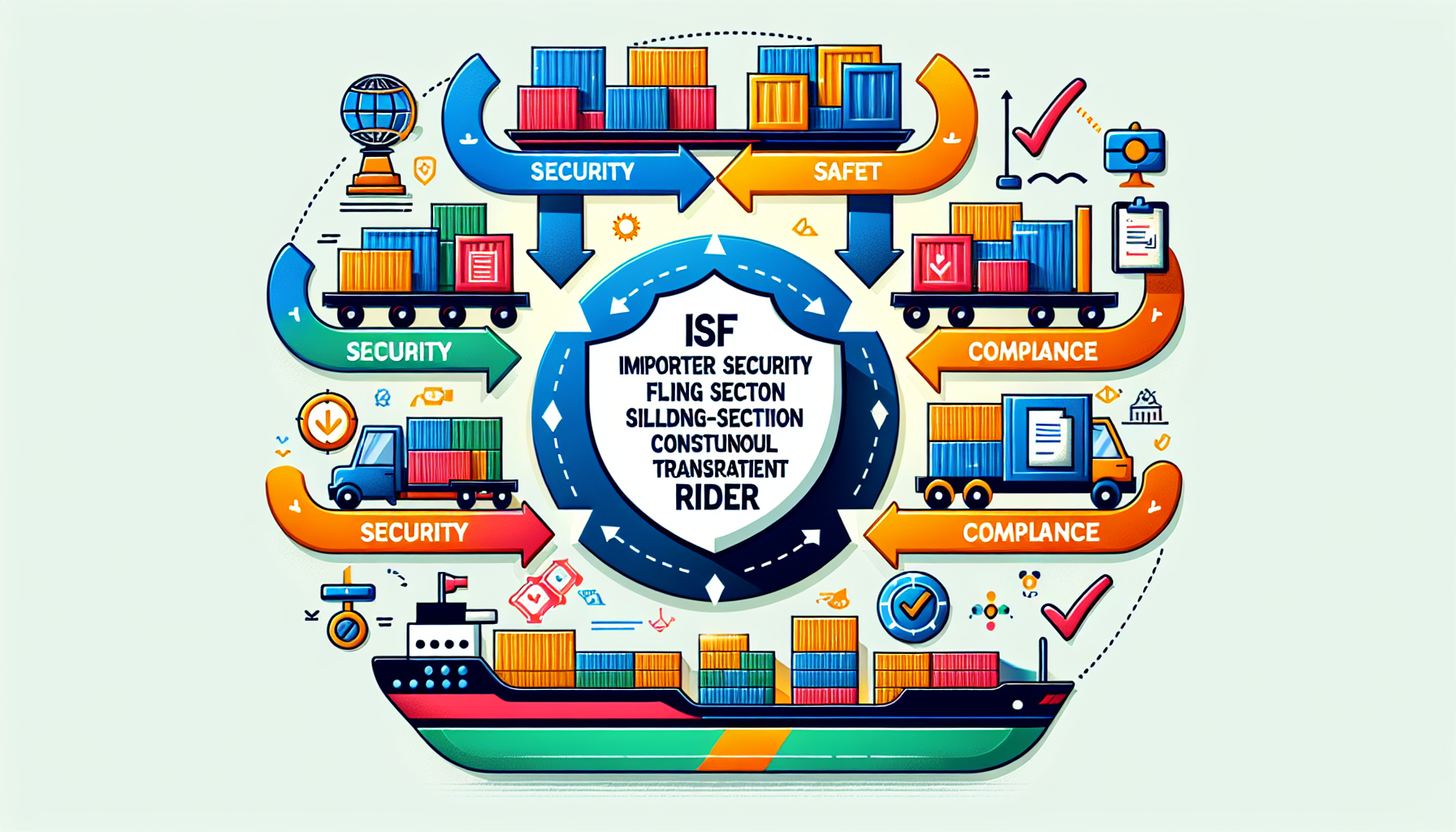
Overview of ISF Importer Security Filing Section Continuous Transaction Bond Rider
Definition of ISF Section-CTB Rider
The ISF Importer Security Filing Section Continuous Transaction Bond (ISF Section-CTB) Rider is a specific requirement under the U.S. Customs and Border Protection (CBP) regulations for importers to obtain a Continuous Transaction Bond (CTB) in conjunction with the Importer Security Filing (ISF). It is a rider attached to the CTB that ensures importers comply with the ISF requirements.
Purpose of ISF Section-CTB Rider
The purpose of the ISF Section-CTB Rider is to enhance security measures and ensure compliance with CBP regulations. It facilitates the submission of accurate and timely import information, which helps CBP identify any potential security risks associated with inbound shipments to the United States.
Understanding the ISF Importer Security Filing
Definition of ISF Importer Security Filing
The ISF Importer Security Filing, also known as the 10+2 rule, requires importers to submit specific information about their cargo to CBP before it arrives in the United States. This filing ensures that CBP has advance knowledge of the shipment, allowing them to assess potential risks and allocate resources accordingly.
Role of ISF Importer Security Filing in Trade Compliance
The ISF Importer Security Filing is a crucial component of trade compliance. It provides CBP with important data about the cargo, such as the consignee, shipper, and bill of lading number, allowing them to identify and mitigate any potential security concerns. Failure to comply with the ISF requirements can result in penalties, delays in customs clearance, and potential shipment holds or seizures.
Importance of ISF Importer Security Filing
Submitting an accurate and timely ISF Importer Security Filing is vital for importers. It helps ensure smooth trade operations, minimizes the risk of penalties and fines, and allows CBP to allocate resources efficiently for cargo screening. Additionally, compliance with ISF requirements contributes to overall supply chain security, promoting the safe and secure movement of goods into the United States.
Understanding the Continuous Transaction Bond
Definition of Continuous Transaction Bond
A Continuous Transaction Bond (CTB) is a type of customs bond issued by a surety company to eligible importers. It serves as a financial guarantee for importers to fulfill their obligations to CBP, including the payment of duties, taxes, fees, and compliance with various customs regulations.
Purpose of Continuous Transaction Bond
The purpose of a CTB is to ensure that importers meet their financial obligations to CBP consistently over time. By having a CTB in place, importers demonstrate their commitment to compliance and provide CBP with a financial guarantee, which helps facilitate the smooth flow of trade transactions.
ISF Section-CTB Rider: Definition and Purpose
Definition of ISF Section-CTB Rider
The ISF Section-CTB Rider is an additional requirement for importers to attach to their CTB when filing the ISF Importer Security Filing. It ensures that importers comply with the ISF regulations and submit accurate and timely information to CBP.
Purpose of ISF Section-CTB Rider
The purpose of the ISF Section-CTB Rider is to strengthen the link between the CTB and the ISF Importer Security Filing. By requiring importers to obtain and maintain a CTB with the ISF Section-CTB Rider, CBP can hold importers accountable for complying with the ISF requirements and mitigate potential security risks associated with non-compliant shipments.
When is ISF Section-CTB Rider Required?
Import Scenarios Requiring ISF Section-CTB Rider
The ISF Section-CTB Rider is required in specific import scenarios, including:
- Importers who consistently fail to meet the ISF requirements,
- Importers identified as posing a higher security risk,
- Importers with a history of non-compliance, or
- Importers involved in sensitive or high-risk cargo transportation.
Mandatory Requirement for ISF Section-CTB Rider
CBP has the authority to mandate the requirement of the ISF Section-CTB Rider for importers falling under the aforementioned scenarios. Failure to obtain the rider when required can result in penalties, extended customs clearance times, and potential shipment holds.
Exceptions
Although the ISF Section-CTB Rider is generally required in specific import scenarios, CBP may exempt certain importers from this requirement based on their compliance history, security certifications, or participation in trusted trader programs such as the Customs-Trade Partnership Against Terrorism (C-TPAT).
Benefits of Having ISF Section-CTB Rider
Enhanced Security
By requiring importers to have the ISF Section-CTB Rider, CBP strengthens security measures by ensuring that importers are consistently compliant with the ISF regulations. This helps prevent potential security risks associated with non-compliant shipments, thereby enhancing the overall security of the supply chain.
Faster Customs Clearance
Having the ISF Section-CTB Rider in place helps expedite the customs clearance process. With accurate and timely ISF filings, CBP can clear shipments efficiently, minimizing delays and ensuring the swift movement of goods into the United States. This benefit is especially crucial for time-sensitive shipments or industries that rely on fast turnaround times.
Avoidance of Penalties and Fines
Adhering to the ISF regulations and obtaining the ISF Section-CTB Rider helps importers avoid penalties and fines imposed by CBP for non-compliance. By submitting the required information within the designated timeframe, importers minimize the risk of costly repercussions and maintain a positive relationship with CBP.
ISF Cargo for more Information
How to Obtain an ISF Section-CTB Rider
Eligibility Requirements
To obtain an ISF Section-CTB Rider, importers must meet certain eligibility requirements, including but not limited to:
- Being a compliant importer with a history of submitting accurate and timely ISF filings,
- Having a valid Continuous Transaction Bond with a surety company, and
- Meeting any additional criteria specified by CBP.
Application Process
To obtain an ISF Section-CTB Rider, importers need to work with their surety company or customs broker. They will need to provide the necessary documentation and information required by the surety company, which will evaluate the importer’s eligibility and facilitate the application process. It is essential for importers to accurately fill out the required forms and provide all requested information to avoid any delays or complications.
Maintaining Compliance with ISF Section-CTB Rider
Monitoring and Updating Importer Information
Importers must actively monitor and update their importer information to ensure ongoing compliance with the ISF Section-CTB Rider. Any changes in the company’s structure, contact details, or security practices should be promptly communicated to CBP and the surety company to maintain the validity of the CTB and the ISF Section-CTB Rider.
Timely Submission of ISF
To remain compliant, importers must continue to submit accurate and timely ISF filings to CBP. Failing to comply with the specified filing timeframe or submitting incomplete or incorrect information can result in penalties, delays in customs clearance, and potential revocation of the ISF Section-CTB Rider. Therefore, importers must prioritize the timely submission of ISF filings to ensure a smooth and efficient trade process.
Conclusion
The ISF Importer Security Filing Section Continuous Transaction Bond (ISF Section-CTB) Rider is an integral component of the import process, ensuring compliance with the ISF requirements and enhancing supply chain security. By understanding the definition, purpose, and requirements of the ISF Section-CTB Rider, importers can streamline their import operations, expedite customs clearance, and avoid penalties and fines imposed by CBP. Taking the necessary steps to obtain and maintain the ISF Section-CTB Rider helps importers demonstrate their commitment to trade compliance and contribute to the overall security of the United States’ import process.
Learn more about ISF 10+2 compliance. Know more for import bond requirements. Feel free to Contact ISF Cargo for Filing help. Return to ISF Cargo homepage for 10+2 filing.