
What Is The Difference Between An ISF And A Customs Entry?
When it comes to shipping goods internationally, there are certain terms that can be puzzling. Two of these terms are ISF (Importer Security Filing) and customs entry. Many people wonder what exactly sets these two apart. The key distinction lies in their purpose and timing. While an ISF is a mandatory filing made by the importer before the cargo departs, a customs entry is a detailed submission made by the importer to Customs and Border Protection (CBP) upon the arrival of the goods. Understanding this difference is crucial for importers to ensure smooth and compliant shipping processes.
Overview of ISF and Customs Entry
Importing goods into a country involves a significant amount of paperwork and compliance with various regulations. Two essential components of this process are the ISF (Importer Security Filing) and Customs Entry. While they may seem similar, they serve distinct purposes and have their specific requirements and timing.
Definition of ISF
ISF stands for Importer Security Filing, which is a document that must be filed with U.S. Customs and Border Protection (CBP) before goods are loaded onto a vessel destined for the United States. The ISF provides essential information about the imported goods, their origin, and the parties involved in the transaction. It helps CBP assess the potential risk associated with the cargo and ensures the security of the supply chain.
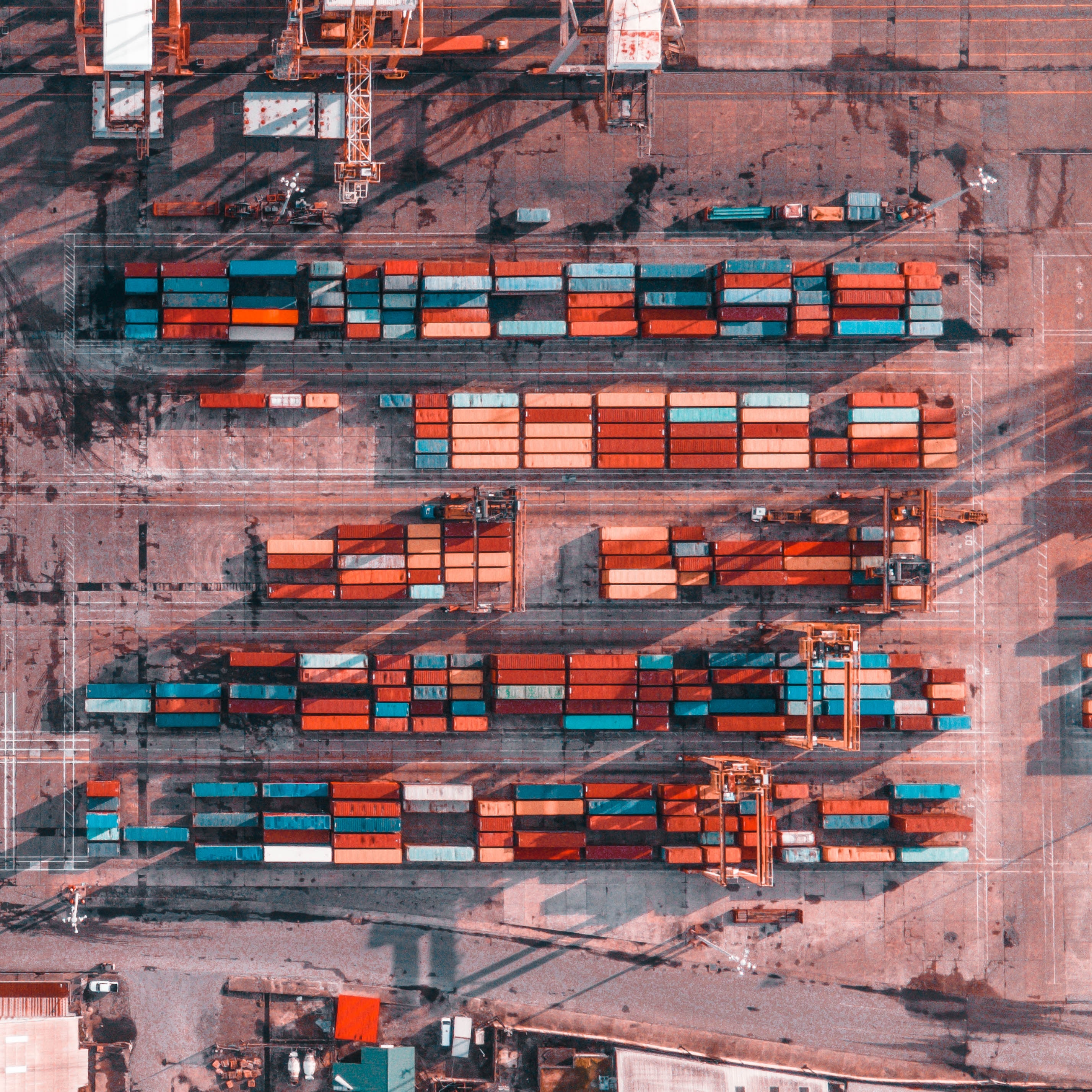
Definition of Customs Entry
A Customs Entry, also known as an entry summary, is a formal declaration submitted to CBP by the importer or their authorized agent. It is filed after the goods arrive in the United States and provides detailed information regarding the imported goods, their classification, and the duty and taxes owed. The Customs Entry is crucial for CBP to assess the applicability of various trade regulations, determine the correct duty rates, and enforce import restrictions and quotas.
Filing Requirements
ISF Filing Requirements
The ISF must be submitted within specific time frames, depending on the mode of transportation. For goods arriving by vessel, the ISF must be filed at least 24 hours before the vessel is loaded at the foreign port. Failure to comply with this requirement can result in penalties and delays in cargo release.
Customs Entry Filing Requirements
The Customs Entry must be filed within a certain time frame after the goods arrive in the United States. The specific deadline varies depending on the mode of transportation and the port of entry. Failure to file the Customs Entry within the prescribed time can lead to penalties, delayed cargo release, or even seizure of the goods.

ISF Cargo for more Information
Timing
ISF Timing
As mentioned earlier, the ISF must be filed at least 24 hours before the vessel is loaded at the foreign port. This timing requirement allows CBP to receive and analyze the information provided in the ISF before the goods arrive in the United States. It enables CBP to identify any potential security risks associated with the cargo and take appropriate actions to ensure the safety of the supply chain.
Customs Entry Timing
The timing for filing the Customs Entry varies depending on the mode of transportation. For goods transported by vessel, the Customs Entry must usually be filed within 15 calendar days after the discharge of the vessel. However, this time frame can be shortened for certain high-risk cargo or extended for specific types of shipments, such as perishable goods.
Information Included
Both the ISF and Customs Entry require the submission of specific information. Let’s take a closer look at each.
ISF Information
The ISF must include detailed information about the imported goods, the parties involved in the transaction, and the conveyance transporting the cargo. It typically includes the following:
- Seller (or manufacturer) name and address
- Buyer (or owner) name and address
- Manufacturer name and address (if different from the seller)
- Ship-to name and address
- Container stuffing location
- Consolidator (if applicable)
- Country of origin
- Commodity Harmonized System (HS) code
- Bill of lading number
- Vessel name and voyage number
- Estimated arrival date and port of discharge
Customs Entry Information
The Customs Entry requires more detailed information about the imported goods, their classification, and the parties involved. It typically includes:
- Importer of Record (IOR) name, address, and identification number
- Consignee name and address
- Manufacturer or supplier name and address
- Country of origin
- Commodity Harmonized System (HS) code
- Quantity, weight, and unit of measurement
- Value of the goods
- Duties and taxes owed
- Additional information required to determine the goods’ admissibility (e.g., FDA-related details for food or medical products)
Costs and Fees
ISF Costs and Fees
Filing the ISF incurs certain costs and fees that importers should be aware of. These include:
Filing fees: A fee is charged by the party responsible for submitting the ISF on behalf of the importer. The cost may vary depending on the service provider and the complexity of the filing.
Penalties: Failure to comply with the ISF filing requirements can result in significant penalties imposed by CBP. These penalties may vary depending on the severity of the violation and the importer’s compliance history.
Customs Entry Costs and Fees
When filing the Customs Entry, importers should also consider the following costs and fees:
Merchandise processing fee: This is a fee imposed by CBP for the processing of the Customs Entry. The amount is calculated based on the value of the imported goods and is subject to change by CBP.
Duties and taxes: The Customs Entry determines the applicable duty rates and taxes owed on the imported goods. The amount varies depending on the goods’ classification, origin, and trade agreements.
Conclusion
In summary, the ISF and Customs Entry are both crucial components of the import process, but they have distinct purposes, requirements, and timing. The ISF focuses on providing CBP with essential information about the imported goods before they arrive in the United States, ensuring supply chain security. On the other hand, the Customs Entry provides detailed information about the imported goods, their classification, and the Customs duties and taxes owed, allowing CBP to enforce trade regulations and assess admissibility. Understanding the differences between the two and ensuring compliance with their requirements is essential for successful import operations and avoiding potential penalties and delays.
Learn more about ISF 10+2 compliance. Know more for Customs bond filing for 10+2. Feel free to ISF bond and entry assistance. Return to U.S. import Filing.