
Can The ISF Filing Be Completed On Paper Instead Of Electronically?
So you’re wondering if it’s possible to complete the ISF filing on paper rather than electronically? Well, the answer is quite simple – no. The ISF filing, also known as the Importer Security Filing, is a requirement by U.S. Customs and Border Protection for all imported goods. It is designed to enhance the security of the supply chain by providing crucial information about the imported cargo. While some other filings may still be done on paper, the ISF filing must be done electronically through the Automated Broker Interface (ABI). This article will shed light on why the ISF filing cannot be done on paper and the benefits of electronic filing.
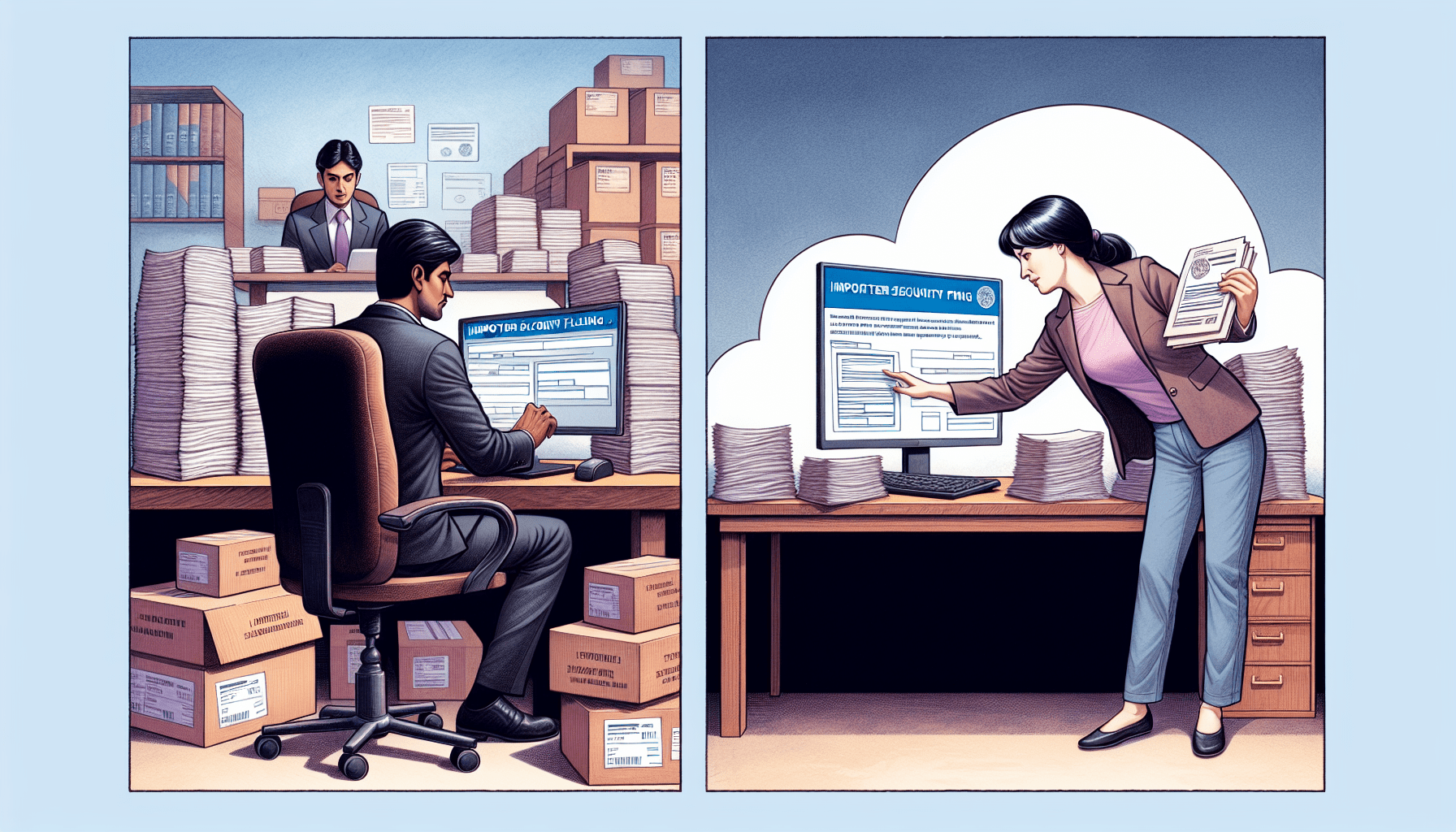
Overview of ISF Filing
Explanation of ISF filing
ISF filing, or Importer Security Filing, is a requirement by the U.S. Customs and Border Protection (CBP) for importers to provide specific information about their shipments before they arrive in the United States. This information helps CBP assess the risk associated with the incoming cargo and enhances border security.
Purpose of ISF filing
The main purpose of ISF filing is to ensure the safety and security of the US borders by allowing the CBP to identify potential risks in advance. By requiring importers to provide detailed information about their shipments, CBP can assess and analyze potential security threats. This proactive approach enables CBP to take necessary action to mitigate risks, such as conducting additional inspections or implementing enhanced security measures.
Requirements for completing ISF filing
To complete ISF filing, importers need to provide accurate and timely information about their shipments. The required information includes details about the importer, consignee, seller, buyer, shipper, and the goods being transported. Additionally, information regarding the vessel, voyage, and container must also be provided. It is essential for importers to ensure that all the required information is accurate and provided within the specified timeframes to avoid penalties or delays in customs clearance.
Electronic Filing vs. Paper Filing
Advantages of electronic filing
Electronic filing offers several advantages over traditional paper filing. Firstly, it is more efficient and time-saving. With electronic filing, importers can quickly submit their ISF information online, eliminating the need for manual paperwork. This saves significant time and reduces the administrative burden.
Secondly, electronic filing reduces the chances of errors. The automated system validates the information, ensuring accuracy and completeness. It provides immediate feedback if any required fields are missing or contain incorrect data, allowing importers to rectify the errors promptly.
Lastly, electronic filing offers better data management capabilities. The system stores the submitted ISF information electronically, making it easily accessible for future reference or audits. Importers can maintain a record of their filings, facilitating compliance with regulatory requirements.
Disadvantages of electronic filing
While electronic filing is generally advantageous, there are a few potential drawbacks. Firstly, reliance on technology can be a disadvantage. If there are system glitches, technical issues, or internet connectivity problems, importers may face challenges in submitting their ISF filings on time. This can result in delays in customs clearance or potential penalties.
Secondly, there may be a learning curve for importers who are not familiar with electronic filing systems. It might take some time for them to adapt to the new process and become proficient in using the platform. However, with proper training and support, these challenges can be overcome.
Advantages of paper filing
For importers who prefer traditional methods, paper filing offers certain advantages. The primary advantage is the flexibility it provides for certain situations. In cases where internet access is limited or unavailable, paper filing allows importers to comply with the ISF requirements without relying on technology.
Another advantage is the physical documentation. Paper filings provide importers with tangible records of their ISF submissions, which can be easily stored and retrieved if needed. Some importers may prefer having hard copies for their own documentation purposes.
Disadvantages of paper filing
Despite the advantages, paper filing also has its drawbacks. Firstly, it is a more time-consuming process, as importers need to manually complete the forms, collect supporting documents, and physically mail them to CBP. This can result in delays in customs clearance, impacting supply chain efficiency.
Secondly, paper filing increases the risk of errors or missing information. Without automated validation, importers may overlook important details or make mistakes while completing the forms manually. This can lead to unnecessary delays or penalties.
Electronic Filing Process
Step-by-step guide to electronic filing
-
Register with a certified electronic filing system: To begin the electronic filing process, importers need to register with an approved service provider. These providers offer user-friendly platforms specifically designed for filing ISF electronically. Once registered, importers can access the system and start the filing process.
-
Gather all required information: Before initiating the filing, importers should ensure they have all the necessary information. This includes details about the importer, consignee, seller, buyer, shipper, goods, vessel, voyage, and container. Having this information readily available will facilitate a smooth filing process.
-
Enter the information in the electronic filing system: Using the certified electronic filing system, importers can input the required information accurately. The system may have built-in validation checks to ensure completeness and accuracy. Importers should review the entered data before finalizing the submission.
-
Submit the ISF filing: After entering all the necessary information, importers can submit their ISF filing electronically through the platform. The system will generate a confirmation once the filing is successfully submitted.
Required information and documents for electronic filing
When filing electronically, importers need to ensure they have the following information and documents:
- Importer of Record (IOR) number or unique identification
- Consignee information (name, address, contact details)
- Seller information (name, address, contact details)
- Buyer information (name, address, contact details)
- Shipper information (name, address, contact details)
- Goods-related information, including Harmonized System (HS) codes, quantity, value, and description
- Vessel information (name, voyage number, vessel operator)
- Container information (number, size, type)
Some additional documents that may be required include commercial invoices, bills of lading, packing lists, and any other documentation necessary to support the information provided in the ISF filing.

Paper Filing Process
Step-by-step guide to paper filing
-
Obtain the necessary forms: To initiate the paper filing process, importers need to obtain the required forms from CBP. These forms include CBP Form 3461, CBP Form 3461B (for immediate exportation), and CBP Form 7533 (for in-bond shipments).
-
Complete the forms: Importers should carefully complete all the required fields on the forms. It is important to provide accurate and comprehensive information to avoid delays or penalties.
-
Collect supporting documents: Importers need to gather all supporting documents, such as commercial invoices, bills of lading, and packing lists. These documents should accompany the filed forms for CBP’s reference.
-
Mail the completed forms and documents to CBP: Once the forms are completed and all the necessary documents are collected, importers need to mail them to the designated CBP office. It is advisable to use a delivery method that provides tracking and proof of delivery.
Required forms and documents for paper filing
For paper filing, importers need to obtain the following forms from CBP:
-
CBP Form 3461: This form is used for regular cargo release and requires details about the importer, consignee, and description of goods.
-
CBP Form 3461B: This form is used for immediate exportation, allowing importers to expedite the goods’ exportation when necessary.
-
CBP Form 7533: This form is used for in-bond shipments, which are goods transported under CBP supervision from one port to another without being released into the commerce of the United States.
In addition to the forms, importers must also include supporting documents, such as commercial invoices, bills of lading, and packing lists, with their paper filing.
Acceptance of Paper Filing
Is paper filing still allowed?
Yes, paper filing is still allowed for ISF submissions. While electronic filing is encouraged and more widely used, CBP still accepts paper filings under certain circumstances.
Applicable circumstances when paper filing is accepted
CBP accepts paper filing in the following circumstances:
-
Limited or no internet availability: In areas where internet access is limited or not available, importers can opt for paper filing to meet the ISF requirements without relying on electronic systems.
-
Unforeseen technical issues: If importers experience unforeseen technical issues or system outages that prevent them from submitting electronically, they can choose paper filing as an alternative.
-
Limited shipment volume: Importers with a low volume of shipments may opt for paper filing if electronic filing is not cost-effective or practical for their specific situation.
Exceptions to paper filing acceptance
While paper filing is still allowed, there are exceptions when CBP may not accept it. These include:
-
High volume importers: Importers with a high volume of shipments are generally expected to file electronically to ensure efficient processing and effective risk assessment.
-
Consistent non-compliance: Importers who repeatedly fail to comply with electronic filing requirements without a valid reason may not be allowed to continue filing on paper.
Benefits of Electronic Filing
Efficiency and speed
Electronic filing offers significant efficiency and speed advantages over paper filing. Importers can submit their ISF filings online, eliminating the need for manual paperwork and reducing administrative burdens. Automated validation checks ensure that information is complete and accurate, streamlining the submission process. This efficiency translates into faster customs clearance, reducing delays in the supply chain.
Reduced errors
Automated systems for electronic filing minimize the chances of errors. The validation checks in the system prompt importers to provide all required information accurately. This reduces the risk of missing or incorrect data, which can lead to delays in customs clearance or penalties. Importers can review and revise their submissions before finalizing them, ensuring higher accuracy and compliance.
Better data management
Electronic filing enables importers to maintain better data management practices. The submitted ISF information is electronically stored and easily accessible for future reference or audits. Importers can efficiently track and manage their filings while ensuring compliance with regulatory requirements. This centralized data management minimizes the risk of losing important documents and streamlines record-keeping processes.
Accessibility and convenience
With electronic filing, importers have the convenience of accessing and submitting their ISF filings from anywhere with internet access. This flexibility allows for remote working and reduces the need to be physically present at a specific location to complete the filing. Importers can file their ISF submissions at their convenience, reducing the time constraints associated with traditional paper filing.
ISF Cargo for more Information
Benefits of Paper Filing
Flexibility for certain situations
Paper filing offers flexibility for importers facing specific circumstances. In areas with limited internet availability, paper filing allows importers to comply with the ISF requirements without relying on electronic systems. It provides an alternative method for meeting the filing requirements and ensures that shipments can still be processed through customs.
No reliance on technology
For importers who prefer traditional methods or are concerned about reliance on technology, paper filing eliminates the need for complex electronic systems. It allows importers to complete and submit their ISF filings without requiring internet access or advanced technological knowledge. This can be advantageous in situations where technology issues or internet connectivity problems are common.
Physical documentation
Paper filing provides importers with tangible records and documentation. The hard copies of the filed forms and supporting documents can be easily stored, allowing importers to keep a physical record of their ISF submissions. Having physical documentation can be useful for internal record-keeping, audits, or any situations requiring physical proof of compliance.
Critical Factors for Choosing Filing Method
Legal requirements and regulations
Importers must consider the legal requirements and regulations set forth by CBP when choosing their filing method. It is essential to ensure compliance with the specific instructions and guidelines provided by CBP to avoid penalties or delays in customs clearance.
Resources and capabilities
Importers need to assess their resources and capabilities when deciding between electronic and paper filing. Availability of internet access, proficiency in using electronic filing systems, and internal capabilities to handle a high volume of submissions are factors that should be carefully considered.
Time constraints
The urgency of shipments and time constraints play a crucial role in determining the filing method. Electronic filing offers a faster submission and processing timeline, which can be beneficial for time-sensitive shipments. On the other hand, if an importer has limited time to adapt to the electronic filing process or is located in an area with internet connectivity issues, paper filing may be the more practical option.
Cost considerations
Cost considerations are important when choosing between electronic and paper filing. Electronic filing may involve fees associated with the certified service providers or software, and importers should evaluate the cost-effectiveness based on their shipment volume and budget. Paper filing involves additional costs such as postage fees, printing costs, and physical storage requirements.
Personal preferences
Importers’ personal preferences should also be taken into account when selecting the filing method. Some importers may prefer the convenience and efficiency of electronic filing, while others may feel more comfortable with the traditional approach of paper filing. Personal preferences should be balanced with the practicality and legal requirements to make an informed decision.
Transition from Paper to Electronic Filing
Government initiatives and digitization efforts
The U.S. government has been actively promoting the transition from paper to electronic filing to enhance efficiency and security in the import process. Various initiatives and digitization efforts have been implemented to encourage importers to adopt electronic filing methods. These initiatives include awareness campaigns, training programs, and incentives to facilitate a smooth transition.
Challenges and barriers to electronic filing adoption
Despite the benefits, there are challenges and barriers that impede the widespread adoption of electronic filing. Some importers may face technological barriers, such as limited internet access or outdated infrastructure. Additionally, the initial learning curve and resistance to change can hinder the transition from paper to electronic filing. Importers need to address these challenges and seek support from service providers or training programs to facilitate the adoption of electronic filing.
Steps for a smooth transition
To ensure a smooth transition from paper to electronic filing, importers can follow these steps:
-
Assess readiness: Importers should assess their readiness for electronic filing by evaluating their technological capabilities, internet availability, and internal resources. This evaluation helps identify any gaps or areas that need improvement.
-
Seek training and support: Importers should consider participating in training programs or seeking support from certified electronic filing service providers. These resources can provide guidance, training, and assistance throughout the transition process.
-
Gradual implementation: Importers can start by implementing electronic filing for a subset of their shipments or gradually increase the share of electronic filings over time. This allows for a phased approach, minimizing disruptions and allowing importers to familiarize themselves with the new process.
-
Monitor and review: Importers should closely monitor the transition process and regularly review the effectiveness of electronic filing. Feedback from internal stakeholders and service providers can help identify any areas for improvement and ensure ongoing compliance.
Conclusion
In conclusion, ISF filing is a vital requirement for importers to ensure the safety and security of the US borders. While electronic filing offers advantages such as efficiency, reduced errors, better data management, and accessibility, paper filing still exists as an accepted alternative. Importers should carefully consider legal requirements, resources, time constraints, costs, and personal preferences when choosing the filing method. The transition from paper to electronic filing requires assessment, training, and support to overcome challenges and effectively leverage the benefits of electronic filing. Ultimately, the choice of filing method should be made based on individual circumstances and compliance with CBP regulations.
Learn more about ISF and Entry Filing. Know more for Secure bond application for importers. Feel free to Importer Security Filing customer support. Return to Customs Filing dashboard for importers.