
Can The ISF Filing Be Completed For Goods Transported By A Combination Of Different Modes Of Transportation?
Navigating the requirements of ISF filing can be tricky, especially when goods are being transported by a combination of different modes of transportation. However, understanding how ISF filing works in these situations is crucial to avoiding any potential penalties or delays. Let’s delve into the nuances of completing ISF filing for goods transported through multiple modes of transportation to ensure smooth sailing for your shipments. Can the ISF Filing Be Completed For Goods Transported By A Combination Of Different Modes Of Transportation?

Understanding the ISF Filing Process
So, you’re in the import-export business, and you’re wondering if the ISF filing can be completed for goods that are transported using a combination of different modes of transportation. Let’s break it down for you. The Importer Security Filing (ISF) is a mandatory filing required by U.S. Customs and Border Protection (CBP) for shipments being imported into the United States by ocean vessel. This filing is crucial for security purposes and contains information about the importer, consignee, seller, and other details related to the shipment.
What is ISF Filing?
By providing this information to CBP before the goods arrive, they can perform a risk assessment and target high-risk shipments for inspection. The ISF filing consists of 10 data elements that need to be submitted at least 24 hours before the vessel is loaded at the foreign port. Missing, incomplete, or inaccurate ISF filings can result in penalties or even delays in cargo clearance.
Modes of Transportation Covered
The ISF filing primarily applies to goods being transported by ocean vessel to the United States. However, there are certain exceptions and scenarios where the ISF filing can be required for goods transported by a combination of different modes of transportation.
Goods Transported By Multiple Modes
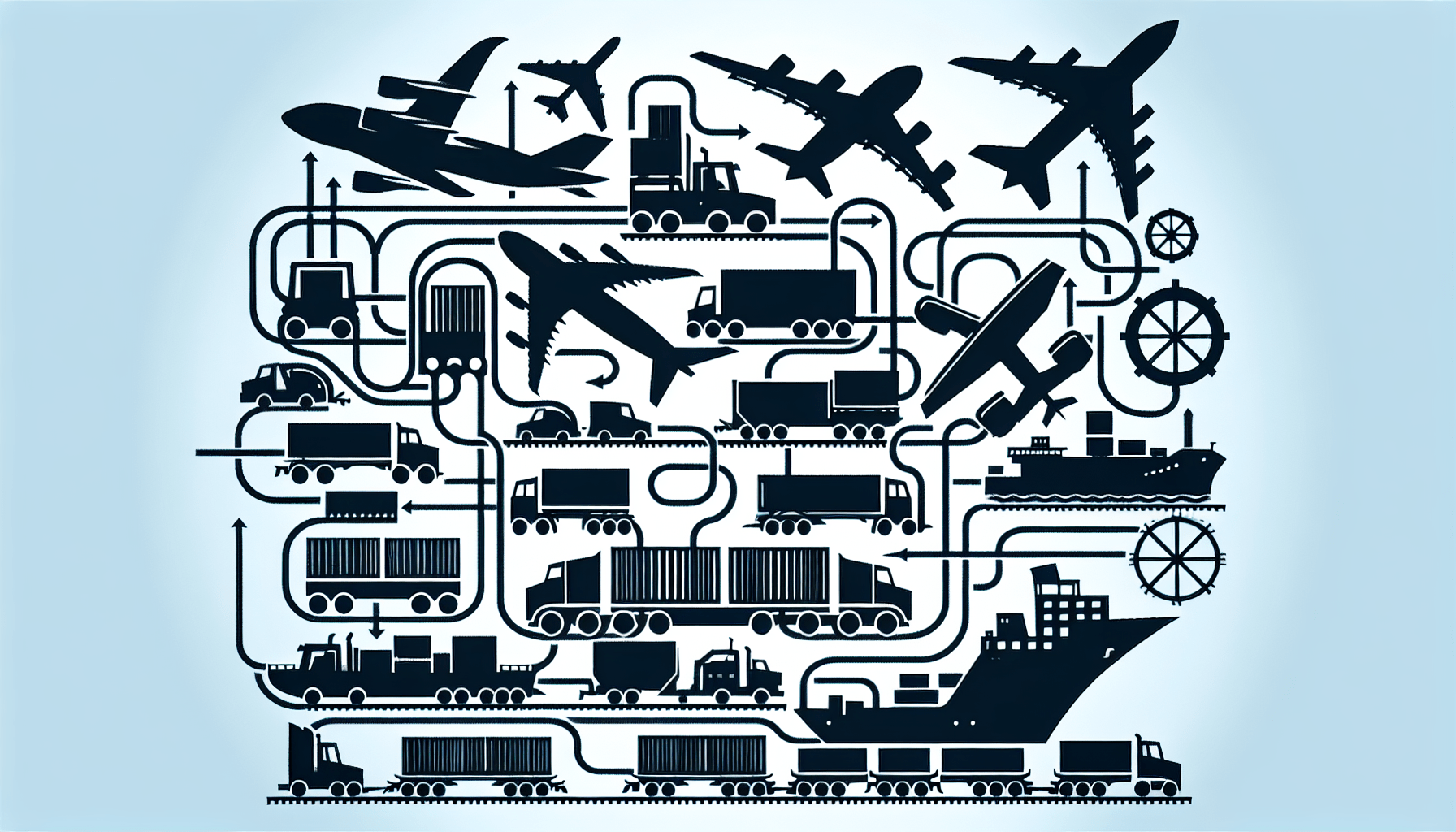
Now, let’s dive into the specifics of whether the ISF filing can be completed for goods that are transported using a combination of different modes of transportation. When goods are shipped using a combination of air, ocean, truck, or rail transportation, it can complicate the ISF filing process. Each mode of transportation has its own set of regulations and requirements, so it’s essential to understand how the ISF filing applies in these situations.
Determining the Primary Mode of Transport
The key factor in determining whether the ISF filing is required for goods transported by a combination of different modes is identifying the primary mode of transport. The primary mode of transport is the mode that accounts for the longest portion of the transit time from the foreign port to the United States.
Documentation Requirements
If the primary mode of transport is by ocean vessel, then the ISF filing must be completed as per the standard regulations. However, if the goods are first transported by another mode (such as air or truck) and then transferred to an ocean vessel for the final leg of the journey, the ISF filing might not be required. In such cases, the carrier handling the ocean portion of the shipment will be responsible for submitting the ISF information as part of their documentation.
Coordination Among Carriers
When goods are transported by a combination of different modes, it’s crucial for carriers involved in the transit to coordinate and ensure that all necessary information is accurately provided. This includes sharing data related to the ISF filing, even if only one carrier is responsible for submitting the information to CBP.
Best Practices for ISF Filing
To ensure a smooth and hassle-free ISF filing process for goods transported by a combination of different modes, here are some best practices to keep in mind:
Communication Among Stakeholders
Maintain open communication channels among all parties involved in the transportation of the goods, including shippers, carriers, and customs brokers. This will help ensure that everyone is on the same page regarding the ISF filing requirements and responsibilities.
Timely Data Submission
Ensure that the ISF information is submitted accurately and in a timely manner, regardless of the mode of transportation. Delays in submitting the ISF filing can lead to penalties and potential cargo clearance issues, so it’s essential to stay on top of the deadlines.
Documentation Verification
Double-check all documentation related to the ISF filing to ensure that the information is accurate and up-to-date. Any discrepancies or inconsistencies in the filing can trigger further scrutiny from CBP and result in delays in cargo clearance.
Conclusion
In conclusion, the ISF filing can be completed for goods transported by a combination of different modes of transportation, provided that the primary mode of transport is identified and the necessary information is accurately submitted. By understanding the requirements and best practices for ISF filing in these scenarios, you can navigate the import-export process with confidence and avoid any potential issues with CBP. Remember to stay informed, communicate effectively with all stakeholders, and adhere to the deadlines for submitting the ISF information. Happy importing and safe travels for your goods!
ISF Cargo for more Information
Learn more about ISF data entry best practices. Know more for How to apply for ISF bond online. Feel free to Importer Security Filing customer support. Return to ISF Cargo logistics compliance center.