
Can The ISF Be Filed For Goods Intended For A Bonded Warehouse In The US?
If you’re wondering whether the ISF (Importer Security Filing) can be filed for goods destined for a bonded warehouse in the US, the answer is, surprisingly, not so straightforward. While the ISF is typically required for shipments entering the US, bonded warehouses offer a unique situation that complicates things. In this article, we’ll explore the intricacies of filing the ISF for goods intended for a bonded warehouse and shed light on the key factors that you need to consider. So, if you’ve got goods on their way to a bonded warehouse and want to ensure a smooth customs clearance process, keep reading to find out everything you need to know.

What is ISF?
Definition of ISF
The Importer Security Filing (ISF), also known as 10+2, is a mandatory filing requirement by the US Customs and Border Protection (CBP) for all ocean shipments destined to the United States. It is aimed at enhancing supply chain security by providing important information about the cargo to the CBP prior to its arrival.
Requirements for filing ISF
To comply with the ISF requirements, the importer or their authorized agent must file the ISF at least 24 hours before the departure of the vessel from the foreign port. The filing includes detailed information about the cargo, such as the shipper’s name and address, the manufacturer’s name and address, the consignee’s name and address, and the container stuffing location. Failure to file the ISF or filing inaccurate information can result in penalties or delays in cargo clearance.
What is a bonded warehouse?
Definition of a bonded warehouse
A bonded warehouse is a secure facility authorized by the CBP where imported goods can be stored without payment of duties until they are either released for domestic consumption or re-exported. These warehouses are under the supervision and control of the CBP, ensuring the integrity and security of the stored goods.
Benefits of using a bonded warehouse
Using a bonded warehouse provides several benefits to importers. Firstly, it allows them to defer the payment of customs duties and taxes until the goods are actually released into the US market. This can help importers manage their cash flow and improve their competitiveness. Additionally, bonded warehouses provide a secure and controlled environment for storage, minimizing the risk of theft, damage, or unauthorized access to the goods. By leveraging the advantages of a bonded warehouse, importers can optimize their supply chain operations and streamline their import processes.
Purpose of ISF
Ensuring supply chain security
One of the primary purposes of the ISF is to enhance supply chain security. By requiring importers to provide detailed information about the cargo in advance, the CBP can assess potential risks and take proactive measures to protect the US borders. With the ISF, the CBP gains visibility into the imported goods, enabling them to identify high-risk shipments and allocate resources effectively for inspections and security measures.
Providing information for risk assessment
The ISF also serves as a valuable source of information for the CBP to conduct risk assessments. By analyzing the data provided in the ISF, the CBP can identify patterns and trends associated with transportation routes, cargo, and parties involved in the supply chain. This information helps them develop strategies to detect and prevent illegal activities such as smuggling, terrorism, and intellectual property violations.
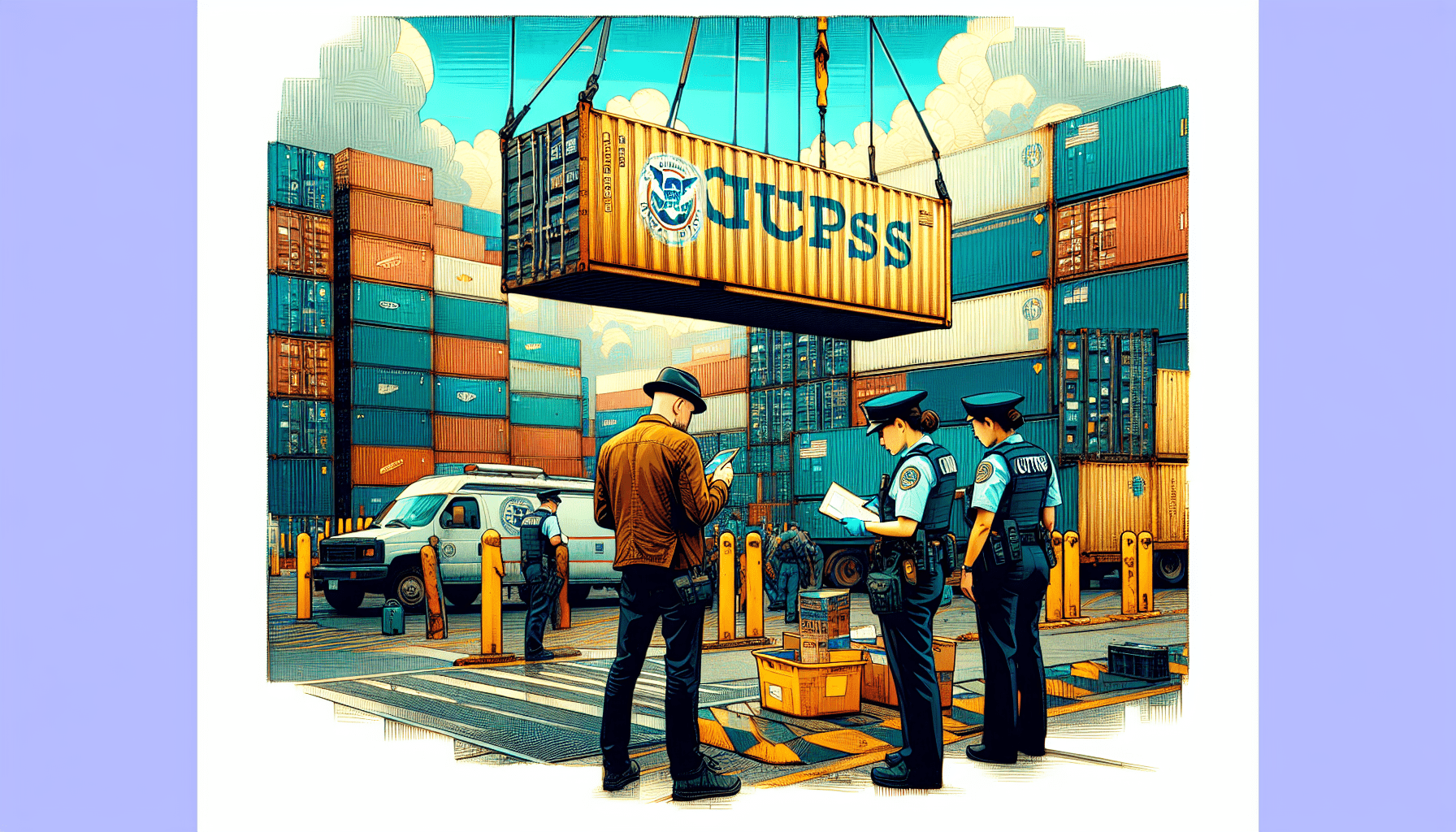
ISF Filing for Goods in a Bonded Warehouse
Applicability of ISF for goods in a bonded warehouse
Generally, the ISF is not required for goods that are directly entering and remaining in a bonded warehouse. Since these goods are not being released for domestic consumption, they are exempted from the ISF filing requirement. However, it is important to note that if the goods are subsequently withdrawn from the bonded warehouse for domestic consumption or are re-exported to another country, the ISF may be required depending on the specific circumstances.
Exceptions to ISF filing for bonded warehouses
Despite the general exemption for goods in a bonded warehouse, there are some exceptions where the ISF filing may still be necessary. For example, if the goods stored in a bonded warehouse are subsequently transferred to another bonded warehouse within the US, an ISF filing may be required for the transportation of the goods between the bonded warehouses. It is crucial for importers to consult with their customs brokers or authorized agents for guidance on specific scenarios to ensure compliance with the ISF requirements.
Importing Goods into a Bonded Warehouse
Process of importing goods into a bonded warehouse
Importing goods into a bonded warehouse involves several steps. Firstly, the importer or their authorized agent must file an entry summary with the CBP, providing relevant details of the imported goods, such as their classification, value, and origin. Once the entry summary is accepted by the CBP, the goods are transported to the bonded warehouse under the CBP’s supervision. At the bonded warehouse, the goods are carefully examined and verified by customs officers to ensure compliance with import regulations. Once the goods are approved for storage, they can be placed in the bonded warehouse without the immediate payment of customs duties and taxes.
Documentation requirements for importing goods
To import goods into a bonded warehouse, certain documentation is required. This includes a bill of lading or airway bill, commercial invoice, packing list, and any other supporting documents related to the shipment. Additionally, the importer or their authorized agent must have a valid bond on file with the CBP, which serves as a financial guarantee for the payment of duties and taxes on the goods. It is essential for importers to maintain accurate and complete documentation to facilitate a smooth import process and ensure compliance with customs regulations.
Benefits of Filing ISF for Goods in a Bonded Warehouse
Enhanced supply chain visibility
Although the ISF filing is generally not required for goods in a bonded warehouse, voluntarily filing the ISF can provide importers with enhanced supply chain visibility. By submitting the ISF, importers can have a record of the detailed information about their cargo in the CBP’s system. This information can be valuable for tracking and managing the movement of goods within the supply chain, optimizing inventory management, and improving overall operational efficiency.
Compliance with US Customs regulations
Filing the ISF for goods in a bonded warehouse can also demonstrate a commitment to compliance with US Customs regulations. While the ISF filing itself may not be mandatory, maintaining a comprehensive and accurate record of the cargo can help importers meet their obligations under customs laws. Furthermore, voluntarily filing the ISF can contribute to building a positive relationship with the CBP and may result in expedited processing and reduced scrutiny of future shipments.
ISF Cargo for more Information
ISF Filing Process for Goods in a Bonded Warehouse
Determination of ISF responsibility
When goods are stored in a bonded warehouse, the responsibility for filing the ISF typically lies with the party who will ultimately be responsible for the release or entry of the goods into the US market. If the goods are intended for domestic consumption or re-export, the responsibility for ISF filing rests with the importer or their authorized agent. However, if the goods remain in the bonded warehouse and are not released into the US market, the ISF filing may not be required. Importers should consult with their customs brokers or authorized agents to determine their specific ISF filing obligations in relation to goods in a bonded warehouse.
Timelines and penalties for non-compliance
For goods that are subject to ISF filing, it is crucial to adhere to the specified timelines to avoid penalties and delays. The ISF must be filed at least 24 hours before the departure of the vessel from the foreign port. Failure to meet this deadline or filing inaccurate or incomplete information can result in significant penalties, including monetary fines, cargo holds, or even refusal of entry into the US. Importers should be proactive in ensuring timely and accurate filing to maintain smooth import operations and compliance with customs regulations.
ISF Bond Requirement for Bonded Warehouses
What is an ISF bond?
An ISF bond, also known as a Customs bond or a Importer Security Bond, is a financial guarantee required by the CBP to ensure the payment of any potential fines, penalties, or liquidated damages associated with the ISF filing. It serves as a form of insurance for the CBP, mitigating the risk of non-compliance and providing financial recourse in case of violations.
When is an ISF bond required for bonded warehouses?
While the ISF bond is generally not required for goods in a bonded warehouse, there are specific situations where it may become a necessity. For instance, if the goods stored in a bonded warehouse are subsequently withdrawn for consumption in the US market, the ISF bond may be required. The CBP may require an ISF bond if there are concerns about the compliance history of the importer, the type of goods being stored, or other factors that warrant additional security measures. Importers should consult with their customs brokers or authorized agents to determine the need for an ISF bond in relation to goods in a bonded warehouse.
Steps to File ISF for Goods in a Bonded Warehouse
Gather required information
To file the ISF, importers or their authorized agents need to gather the necessary information about the cargo, such as the shipper’s name and address, the manufacturer’s name and address, the consignee’s name and address, and the container stuffing location. Additionally, the importers must have accurate details about the goods, including the description, classification, and value.
Select an authorized filing agent
Importers can choose to file the ISF themselves or appoint an authorized filing agent, such as a licensed customs broker or freight forwarder, to handle the filing on their behalf. The authorized filing agent is familiar with the ISF requirements and can ensure accurate and timely submission of the filing.
Submit the ISF
Once all the necessary information is gathered, the ISF can be submitted electronically through the Automated Broker Interface (ABI) or another approved electronic system. Importers or their authorized agents must ensure the ISF is filed at least 24 hours before the vessel’s departure from the foreign port to comply with the CBP’s requirements.
Pay applicable fees
There are certain fees associated with filing the ISF, including the processing fees charged by the authorized filing agent, such as a customs broker. Importers should consult with their authorized filing agent to understand the applicable fees and ensure timely payment.
Challenges and Considerations
Complexities of ISF filing for bonded warehouses
One of the challenges in filing the ISF for goods in a bonded warehouse lies in determining the applicability of the filing requirement. Importers must carefully analyze the specific circumstances and consult with their customs brokers or authorized agents to understand when ISF filing is required and what exemptions may apply. The complexities arise from the nuances of regulations and the need to ensure compliance while optimizing supply chain operations.
Importance of accurate and timely filing
Accurate and timely filing of the ISF is crucial not only to comply with customs regulations but also to facilitate smooth import operations. Late filing or inaccurate information may result in penalties, delays in cargo clearance, or even potential security risks if the CBP does not have complete visibility into the cargo prior to its arrival. Importers should prioritize the correct and timely submission of the ISF to maintain supply chain efficiency, minimize disruptions, and meet their obligations under customs laws.
In conclusion, while the ISF filing is generally not required for goods intended for a bonded warehouse in the US, importers should carefully assess specific scenarios and consult with their customs brokers or authorized agents to determine their filing obligations. By voluntarily filing the ISF, importers can enhance supply chain visibility, demonstrate compliance with customs regulations, and optimize their import processes. Accurate and timely filing, along with the consideration of ISF bond requirements, will ensure a smooth and compliant importation of goods into a bonded warehouse in the US.
Learn more about ISF Filing portal for Customs brokers. Know more for Secure bond application for importers. Feel free to ISF bond and entry assistance. Return to Secure Importer Filing portal.