
Are There Any Specific Regulations For Art In ISF Cargo?
So, you’ve found yourself immersed in the fascinating world of ISF cargo and now you’re wondering about the specific regulations for art within this domain. Well, let me tell you, you’re not alone in this curiosity. As art continues to hold immense cultural and monetary value, it’s essential to understand the guidelines and measures that govern its transportation through ISF cargo. Whether you’re an art collector, dealer, or simply an art enthusiast, this article is here to shed light on the subject and ensure you stay well-informed in this mesmerizing artistic journey.

Overview of ISF Cargo
ISF cargo refers to the merchandise that is included in the Importer Security Filing (ISF), also known as the 10+2 program. This program was established by the U.S. Customs and Border Protection (CBP) to enhance border security by requiring advance information on cargo shipments entering the United States. Before the goods arrive by vessel, the importer or their authorized agent must submit an electronic ISF form to the CBP, providing details about the imported merchandise to be examined for potential security risks.
Regulations for Art in ISF Cargo
When it comes to art being transported as part of the ISF cargo, there are several specific regulations and requirements that must be considered. These regulations pertain to various aspects of the art trade, such as import/export licenses, prohibited artwork, customs valuation, tariffs and taxes, documentation requirements, transportation and packaging, as well as the ISF filing process.
Import/Export Licenses
Importing and exporting art often requires specific licenses to ensure compliance with local regulations. Depending on the country of origin and destination, import/export licenses may be necessary to legally transport the artwork across borders. These licenses help regulate the movement of cultural property, protect national heritage, and support the efforts against illicit trafficking.
Prohibited Artwork
Certain types of artwork may be prohibited or restricted due to various reasons such as cultural sensitivity, copyright infringement, or national security concerns. It is crucial for importers/exporters to familiarize themselves with the specific regulations pertaining to prohibited artwork in order to avoid potential legal issues or penalties.
Customs Valuation
Customs valuation determines the value of the artwork for the purpose of calculating import duties and taxes. Valuation methods vary depending on the country and can include the transaction value, the value of identical or similar artwork, or the deductive value. The determination of customs valuation involves factors such as the condition of the artwork, age, rarity, and the artist’s reputation.
Tariffs and Taxes
Artwork imports and exports may be subject to specific duty rates and taxes imposed by the customs authorities of the respective country. These rates can vary significantly depending on the artwork’s origin, material, value, and classification. Importers and exporters need to be aware of the applicable duty rates and tax obligations to accurately calculate and prepare for the costs associated with moving art across borders.
Documentation Requirements
Along with the ISF filing, various documents are required for the importation or exportation of art. These documents include a commercial invoice that clearly lists the details of the artwork, a detailed description of the artwork, certificates of authenticity, and proof of provenance. These documents provide the necessary information to customs officials, ensuring transparency and compliance through the art trade process.
Import/Export Licenses
To legally transport art across international borders, specific import/export licenses may be required depending on the countries involved. These licenses play a crucial role in regulating the movement of cultural property and protecting cultural heritage.
Types of Licenses
The types of import/export licenses needed for art can vary depending on the regulations of the involved countries. These licenses may include Temporary Importation Bonds (TIB), Carnets, or specific licenses for endangered species.
Obtaining an Import/Export License
To obtain an import/export license for artwork, the importer or exporter must comply with the regulations and requirements set by the respective countries. This usually involves submitting an application, providing supporting documents, and paying any applicable fees.
License Application Process
The license application process typically involves filling out an application form with detailed information about the artwork, its value, and the import/export intentions. The application may also require supporting documents such as certificates of authenticity, provenance, or permits for restricted materials.
License Fees and Duration
The fees associated with import/export licenses for artwork vary depending on the countries involved and the complexity of the shipment. The duration of the license may also vary, ranging from a single shipment to a specific period of time, such as one year.
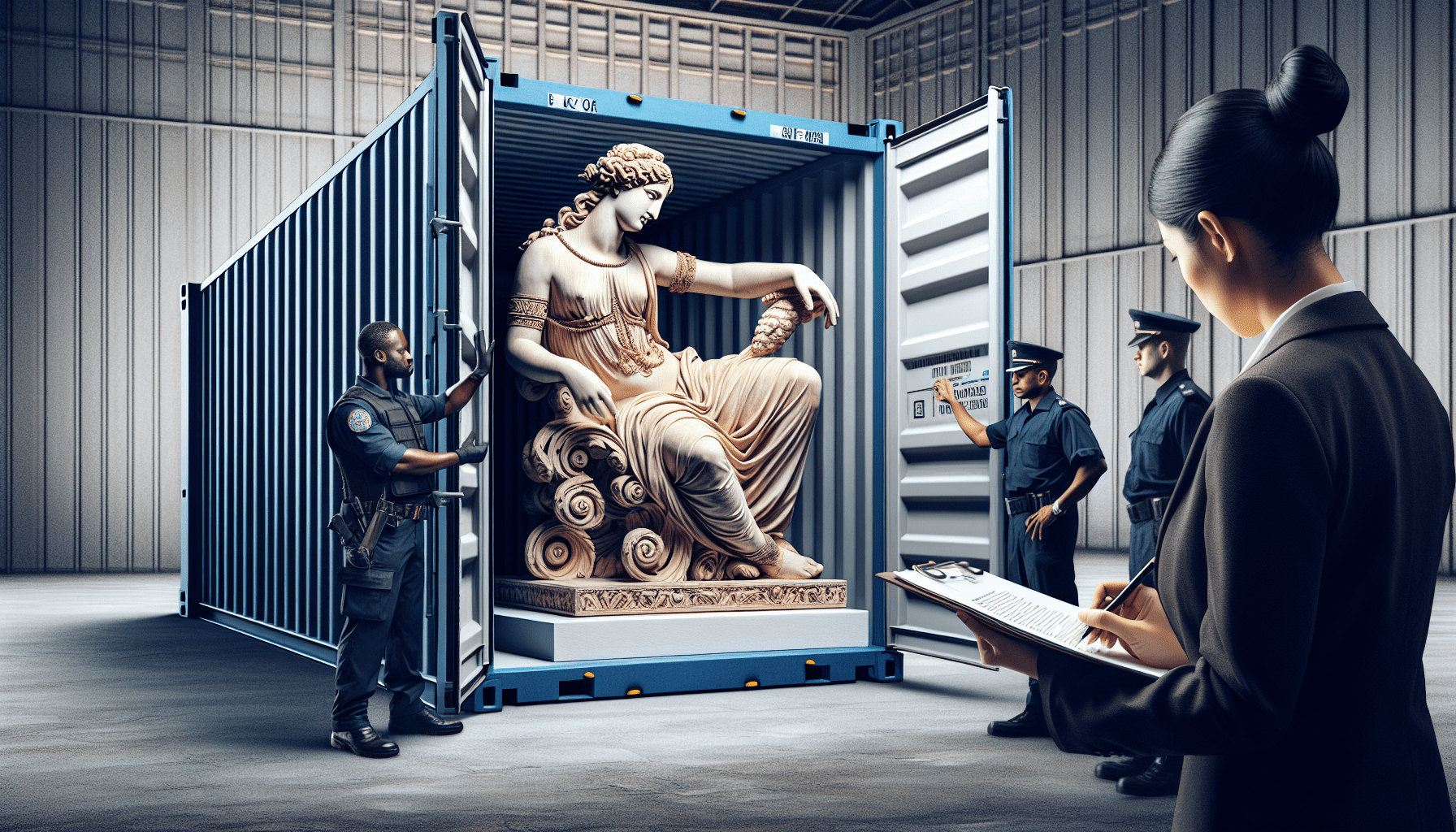
Prohibited Artwork
Certain types of artwork are prohibited or restricted from being imported/exported due to various reasons, such as cultural significance, endangered species, or national security concerns.
Categories of Prohibited Artwork
Prohibited artwork can fall into several categories, including cultural artifacts, religious objects, items made from endangered species, counterfeit artwork, and stolen art. These categories differ depending on the regulations of the specific countries involved in the art trade.
Detection and Consequences
Customs authorities and border control agencies have mechanisms in place to detect prohibited artwork. This can include visual inspections, x-ray scanning, as well as cooperation with relevant agencies and databases. If prohibited artwork is detected, it can lead to severe consequences such as confiscation, fines, legal action, or even imprisonment.
Disposal of Prohibited Artwork
When prohibited artwork is intercepted and confiscated, customs authorities may follow specific procedures for its disposal. This can include destruction, repatriation to the country of origin, or transfer to cultural institutions for research or display purposes.
Customs Valuation
The customs valuation of artwork plays a significant role in determining the import duties and taxes that will be applied to the shipment.
Determining the Value of Artwork
The value of artwork for customs valuation purposes is typically determined based on the price paid or payable for the artwork. This includes the cost of the artwork, any commissions or fees, and the value of materials and labor used in its creation.
Factors Affecting Customs Valuation
Several factors can affect the customs valuation of artwork, including the condition of the piece, the rarity, the age, the artist’s reputation, and any additional elements that may contribute to its cultural or historical significance.
Valuation Methods
Valuation methods used by customs authorities can vary depending on the country. These methods include the transaction value method, which is based on the price actually paid or payable for the artwork; the value of identical or similar artworks; or the deductive value method, which involves subtracting costs from the selling price in the country of importation.
Tariffs and Taxes
Artwork imports and exports are subject to specific duty rates and taxes imposed by the customs authorities of the involved countries.
Duty Rates on Art Imports/Exports
Duty rates on art imports/exports can vary significantly depending on factors such as the country of origin, the material of the artwork, the value, and its classification. Some countries may offer preferential duty rates for artwork originating from specific regions or countries.
Classification of Artwork for Tariff Purposes
Artwork is classified for tariff purposes based on a standardized system known as the Harmonized System (HS). Each artwork is assigned a specific HS code, which determines the applicable duty rates and any exemptions or preferences.
Tax Obligations for Art Transactions
In addition to import duties, art transactions may be subject to specific taxes, such as value-added tax (VAT) or goods and services tax (GST). These taxes are typically calculated based on the declared value of the artwork, including any applicable duties.
ISF Cargo for more Information
Documentation Requirements
Accurate and complete documentation is crucial for the smooth import/export of art as part of the ISF cargo.
Commercial Invoice
A commercial invoice is a fundamental document that provides detailed information about the artwork being imported or exported. It includes the value of the artwork, the buyer and seller information, and a description of the artwork.
Proper Description of Artwork
A proper description of the artwork is essential in the documentation as it helps customs officials determine the classification, value, and any applicable duty rates or restrictions. The description should include the dimensions, materials used, subject matter, and any unique characteristics.
Certificates of Authenticity
Certificates of authenticity provide evidence that the artwork is genuine and attributes its creation to a specific artist. These certificates may include information about the artwork’s provenance, medium, edition number (if applicable), and the signature of the artist or a recognized authority.
Proof of Provenance
Proof of provenance is documentation that traces the ownership history of the artwork. This may include purchase receipts, bills of sale, exhibition catalogs, or other relevant documents that establish the legitimacy and chain of ownership of the artwork.
Transportation and Packaging
Artwork requires special attention during transportation to ensure its safety and integrity.
Packaging Requirements for Art
Proper packaging is crucial to protect fragile artwork during transit. Artwork should be adequately padded, secured, and packaged in materials that offer protection against impacts, temperature changes, and moisture.
Transportation Methods for Delicate Artwork
Delicate artwork often requires specialized transportation methods to minimize the risk of damage. This can include using climate-controlled containers, shock-absorbing crates, air-ride suspension vehicles, or even art-specific transportation companies.
Insurance Coverage for Art
Given the value and fragility of artwork, it is essential to have adequate insurance coverage during transportation. This ensures that in the event of loss, damage, or theft, the artwork is protected financially and can be replaced or repaired.
ISF Filing Process
Submitting the ISF form is a critical step in the importation process for artwork as part of the ISF cargo.
ISF Filing Requirements for Art
The ISF filing requirements for art are similar to those for other goods included in the ISF cargo. The importer or their authorized agent must submit an electronic ISF form to the CBP before the artwork arrives by vessel. The form requires accurate and detailed information about the imported artwork, including its value, description, and the parties involved in the transaction.
Timing of ISF Filing
The ISF form must be filed no later than 24 hours before the vessel carrying the ISF cargo departs for the United States. It is crucial to submit the ISF form on time to avoid penalties or delays in the clearance process.
Filing through a Customs Broker
Many importers choose to work with a licensed customs broker to assist in the ISF filing process and ensure compliance with all relevant regulations. Customs brokers have expertise in navigating the complex import/export landscape and can help importers avoid potential pitfalls.
Penalties for Non-Compliance
Non-compliance with the ISF filing requirements can result in significant penalties, including monetary fines, shipment delays, or even refusal of entry by the CBP. It is essential for importers to understand and adhere to the ISF filing obligations to avoid these penalties.
Conclusion
Understanding the specific regulations and requirements for art in ISF cargo is crucial for importers and exporters in the art trade. From obtaining import/export licenses to complying with customs valuation, tariffs, and taxes, as well as properly documenting the artwork, every step of the process plays a vital role in the smooth movement of art across international borders. By adhering to these regulations and requirements, importers can ensure compliance, protect their investments, and contribute to the preservation and promotion of cultural heritage.
Learn more about ISF 10+2 data elements explained. Know more for Secure bond application for importers. Feel free to ISF Cargo Filing Contact portal. Return to ISF Cargo homepage for 10+2 filing.