
Are There Any Specific ISF Requirements For Goods That Are Part Of A Buyer’s Consolidation?
If you’re in the business of buyer’s consolidation, you may wonder if there are any specific requirements for the International Security Filing (ISF) when it comes to the goods you’re handling. Are there any particular guidelines or rules that you need to follow? In this article, we’ll take a closer look at whether or not there are any specific ISF requirements for goods that are part of a buyer’s consolidation. Let’s explore this topic to gain a better understanding of what is expected in the industry.

ISF Requirements for Buyer’s Consolidation
In the world of international shipping and logistics, the Importer Security Filing (ISF) is a crucial component for ensuring smooth customs clearance and compliance. But what about goods that are part of a buyer’s consolidation? Are there any specific ISF requirements that need to be considered in this scenario? Let’s delve into the topic and explore the ins and outs of ISF requirements for buyer’s consolidation.
Overview of ISF Requirements
Definition of ISF
The Importer Security Filing, commonly known as ISF, is a mandatory filing requirement enforced by U.S. Customs and Border Protection (CBP). It requires importers or their agents to provide specific information about cargo destined for the United States.
Purpose of ISF
The primary purpose of the ISF is to enhance supply chain security by providing CBP with advance information about the cargo. This allows CBP to assess the risk of individual shipments and identify any potential security threats before they reach U.S. shores.
Applicability of ISF
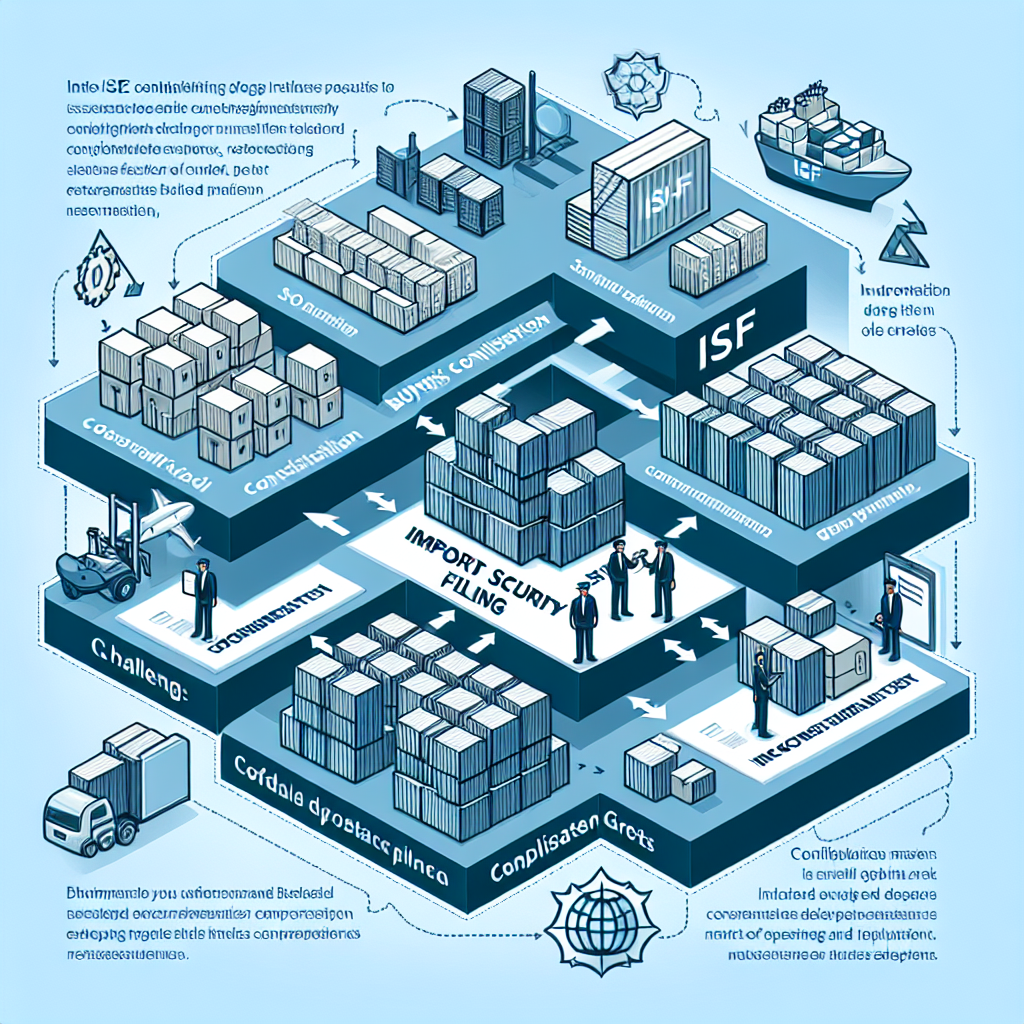
ISF requirements apply to all cargo being imported into the United States via ocean freight. This includes goods that are part of a buyer’s consolidation, where multiple shipments from different suppliers are consolidated into one larger shipment by a third-party logistics provider.
ISF Requirements for Goods in Buyer’s Consolidation
ISF Filing Timeline
When it comes to buyer’s consolidation, the ISF filing timeline remains the same as for regular import shipments. The ISF must be filed at least 24 hours before the cargo is loaded onto the vessel that will transport it to the United States. It is essential to coordinate with all the suppliers and the logistics provider to ensure timely filing.
ISF Filing Responsibility
The responsibility for filing the ISF falls on the importer of record or their authorized agent. In the case of buyer’s consolidation, this responsibility usually lies with the third-party logistics provider or freight forwarder who handles the consolidation. It is crucial to establish clear lines of communication and ensure that the responsible party understands their obligations regarding ISF filing.
ISF Data Elements
The ISF filing requires specific data elements to be provided to CBP. These include information about the importer, consignee, seller, buyer, manufacturer, and supplier. It also includes details about the vessel transporting the cargo, the specific goods being imported, and any applicable freight charges and container stuffing location. All of this information must be accurate and complete to ensure compliance with ISF requirements.
Benefits of Buyer’s Consolidation
Reduced Shipping Costs
One of the primary benefits of buyer’s consolidation is the potential for reduced shipping costs. By consolidating multiple shipments into one, importers can take advantage of economies of scale and negotiate better rates with shipping lines. This consolidation can lead to significant cost savings, especially for smaller importers who may not have enough volume to fill a full container on their own.
Improved Inventory Management
Another advantage of buyer’s consolidation is improved inventory management. Instead of receiving multiple individual shipments, importers can receive one consolidated shipment, allowing for better coordination and planning. This can help streamline supply chain operations, reduce inventory holding costs, and improve overall efficiency.
Streamlined Customs Clearance
Buyer’s consolidation can also lead to streamlined customs clearance processes. Instead of having to deal with multiple shipments and separate ISF filings for each, importers only need to manage one consolidated shipment and file a single ISF. This simplifies the customs clearance process, making it more efficient and reducing the chances of delays or errors.
Considerations for Buyer’s Consolidation with ISF
Nature of Goods
When considering buyer’s consolidation with ISF, it is crucial to assess the nature of the goods being imported. Certain types of goods may have specific requirements or restrictions that need to be taken into account. For example, hazardous materials or perishable goods may require additional documentation or certifications. Understanding these requirements is essential to ensure compliance with both ISF and any other applicable regulations.
Supplier and Vendor Relationships
The success of buyer’s consolidation depends heavily on strong relationships with suppliers and vendors. It is essential to work with reliable partners who can provide accurate and timely information about the goods being shipped. Clear and open lines of communication are crucial to ensure that all necessary information is obtained for ISF filing and that any potential issues or delays can be identified and addressed promptly.
Customs Compliance
When engaging in buyer’s consolidation, it is vital to prioritize customs compliance. This includes adhering to all applicable customs regulations, including ISF requirements. Non-compliance can lead to severe penalties, delays in cargo release, and potential legal consequences. Having a solid understanding of customs compliance and working with experienced professionals can help mitigate risks and ensure smooth operations.
Compliance with ISF and Buyer’s Consolidation
Timely ISF Filing
To ensure compliance with ISF requirements, it is crucial to file the ISF within the designated timeframe. Late filing can result in penalties and delays in cargo clearance. Coordination between all parties involved, including the importer of record, the logistics provider, and the suppliers, is essential to ensure timely submission of the ISF. Effective communication and a clear timeline can help avoid any issues related to late filing.
Correct and Accurate Information
Accurate and complete information is key to ISF compliance. Any errors or inaccuracies in the ISF filing can result in penalties and potential issues with customs clearance. It is essential to double-check all information provided, including supplier and buyer details, cargo descriptions, and any associated charges. Regular communication and information sharing with all parties involved can help reduce the chances of errors and ensure precise ISF filings.
Communication with Customs Authorities
Maintaining open lines of communication with customs authorities is crucial for ISF compliance. In case of any questions or concerns, it is important to address them promptly and provide any requested documentation or clarification. Regularly updating customs officials about any changes or updates related to the ISF can help facilitate the clearance process and minimize any potential issues.
ISF Cargo for more Information
ISF Penalties and Consequences
Late ISF Filing Penalties
Failure to file the ISF within the designated timeframe can result in significant penalties. The specific amount of the penalty may vary depending on the circumstances and the total number of late filings. It is essential to prioritize timely ISF filing to avoid unnecessary penalties and delays in cargo clearance.
Inaccurate or Incomplete ISF Penalties
Providing inaccurate or incomplete information in the ISF filing can also lead to penalties and consequences. CBP may issue penalties for data discrepancies, including incorrect cargo description, wrong harmonized system (HS) codes, or missing information about the parties involved. Maintaining accurate records and ensuring accuracy in ISF filings is crucial to avoid penalties and potential disruptions in supply chain operations.
Customs Holds and Seizures
Failure to comply with ISF requirements can result in customs holds or even seizures of the cargo by CBP. Customs officials have the authority to detain shipments that are not in compliance with all applicable regulations, including ISF requirements. This can lead to significant delays, additional costs, and potential legal consequences. Complying with ISF requirements is essential to avoid these potential issues.
Working with a Freight Forwarder for Buyer’s Consolidation
Leveraging Expertise
Engaging the services of a freight forwarder experienced in buyer’s consolidation can offer significant benefits. Freight forwarders have the knowledge and expertise to handle the intricate details of buyer’s consolidation and ISF compliance. They can provide guidance on the best consolidation strategies and ensure accurate and timely ISF filings.
Ensuring ISF Compliance
Working with a freight forwarder can also help ensure ISF compliance. Freight forwarders have an in-depth understanding of ISF requirements and can assist with the collection and verification of the necessary information for the filing. They can also conduct audits to ensure that all data elements are accurate and complete, reducing the risk of penalties or customs issues.
Efficient Cargo Handling
Another advantage of working with a freight forwarder for buyer’s consolidation is efficient cargo handling. Freight forwarders have established relationships with shipping lines and other service providers, allowing them to negotiate favorable rates and expedite cargo movements. By leveraging their network and expertise, freight forwarders can help ensure that the consolidated shipment is handled efficiently, minimizing transit times and potential disruptions.
Documentation and Record-Keeping
Import and Export Documentation
Compliance with ISF and buyer’s consolidation requires meticulous documentation and record-keeping. Importers must maintain all relevant import and export documents, including commercial invoices, bills of lading, packing lists, and any certificates or licenses required for specific goods. These documents are essential for accurate ISF filing and can also serve as evidence of compliance in case of customs audits or inquiries.
ISF Filing Records
In addition to import and export documentation, importers should maintain records of all ISF filings. This includes proof of timely submission, confirmation of receipt by CBP, and any subsequent updates or amendments made to the ISF. These records are crucial for demonstrating compliance and can provide valuable evidence in case of any disputes or inquiries related to the ISF.
Document Retention Periods
It is important to note that different documents may have specific retention periods mandated by regulatory authorities. Importers should be aware of these requirements and ensure that all records are retained for the designated period. This includes both import and export documents as well as ISF filing records. Compliance with document retention requirements is essential for maintaining a proper audit trail and being prepared for any potential customs audits or inquiries.
Conclusion
Navigating the requirements of ISF for goods in buyer’s consolidation can be complex, but with proper understanding and adherence to the necessary guidelines, importers can ensure compliance and enjoy the benefits of streamlined logistics and cost savings. By prioritizing accurate and timely ISF filings, maintaining strong supplier relationships, and working with experienced freight forwarders, importers can navigate the complexities of buyer’s consolidation and achieve smooth customs clearance. With proper documentation and record-keeping, importers can also maintain compliance, mitigate risks, and be prepared for any customs inquiries or audits. By following the guidelines outlined in this article, importers can successfully manage buyer’s consolidation with ISF and optimize their international supply chain operations.
Learn more about ISF Filing portal for Customs brokers. Know more for import bond requirements. Feel free to ISF Cargo compliance inquiry form. Return to ISF Cargo homepage for 10+2 filing.