
How Does The ISF Program Address Bonded Warehouses And Cargo Storage?
Have you ever wondered how the ISF program tackles the complexities of bonded warehouses and cargo storage? In this article, we will explore the ways in which the ISF program effectively handles these crucial aspects of international trade. From ensuring compliance with customs regulations to streamlining the storage and transportation of goods, the ISF program proves to be an indispensable tool for businesses operating in the global market. So, let’s dive in and discover how the ISF program addresses bonded warehouses and cargo storage.
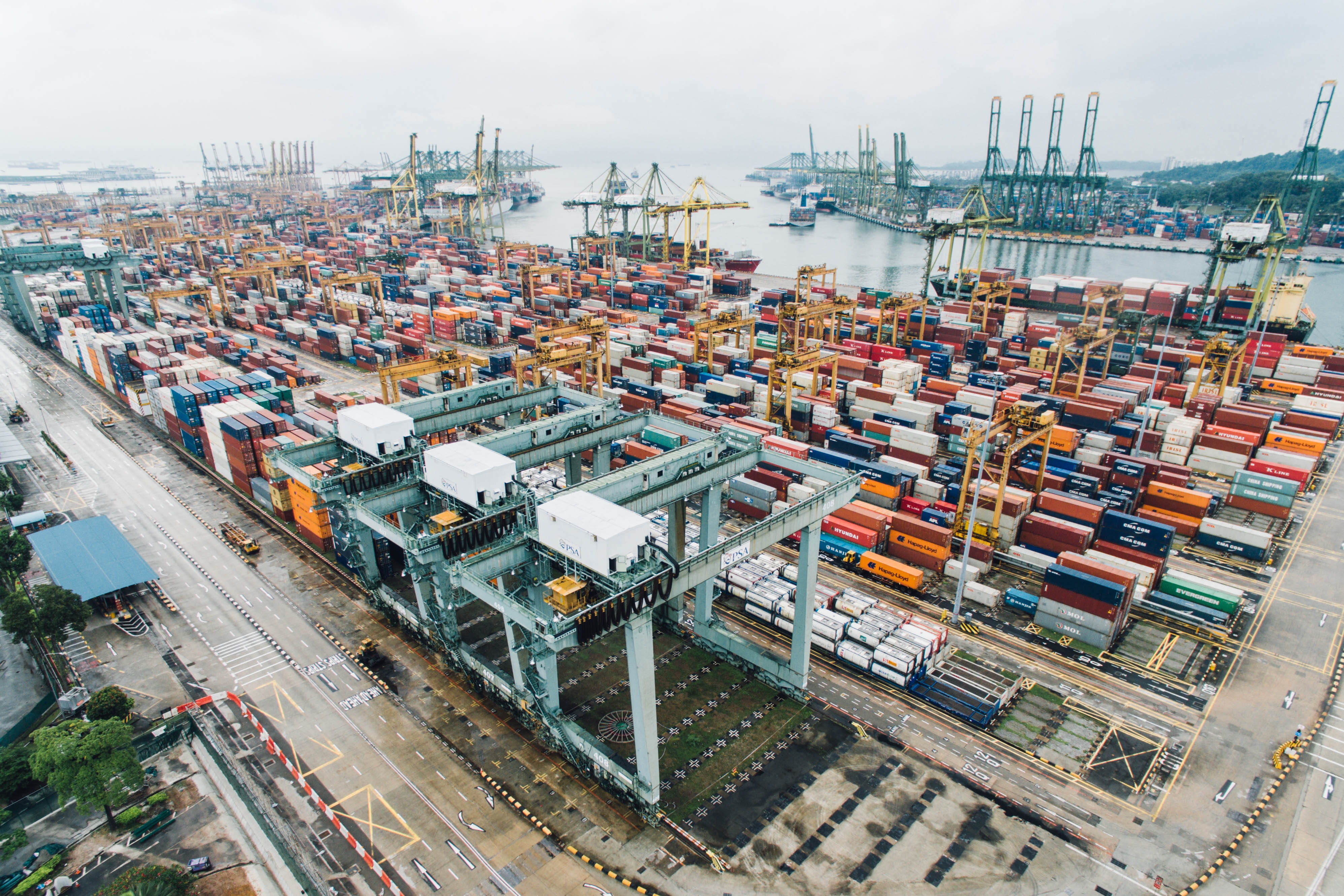
What is the ISF Program?
Overview of the ISF program
The Importer Security Filing (ISF) program is a United States Customs and Border Protection (CBP) initiative aimed at enhancing the security of imports into the country. The program requires importers and their agents to provide specific information about their cargo before it is loaded onto vessels destined for the United States. This information is submitted through the Automated Broker Interface (ABI) system and must be provided at least 24 hours prior to the cargo being loaded onto the vessel.
Purpose of the ISF program
The primary purpose of the ISF program is to enable the CBP to conduct risk assessments and identify any potential security threats associated with imported cargo. By requiring importers to provide detailed information about their shipments in advance, the CBP can more effectively target high-risk cargo and prevent security breaches or illegal activities. The ISF program also helps to facilitate the flow of legitimate trade by streamlining customs processes and improving efficiency.
Bonded Warehouses
Definition of bonded warehouses
Bonded warehouses, also known as customs warehouses or public warehouses, are secured facilities where imported goods can be stored without being subject to customs duties or taxes until they are cleared for entry into the country. These warehouses are licensed by the CBP and must adhere to specific regulations and guidelines to ensure the security and integrity of the stored goods.
Function and benefits of bonded warehouses
Bonded warehouses serve a crucial role in international trade by providing a secure storage solution for imported goods. They allow importers to defer the payment of duties and taxes until the goods are withdrawn for consumption or re-exported, providing financial flexibility and cash flow advantages. Additionally, bonded warehouses offer a controlled environment for the storage of goods, protecting them from damage, theft, or unauthorized access.
How does the ISF program interact with bonded warehouses?
The ISF program interacts with bonded warehouses by requiring importers to include information about the bonded warehouse where the goods will be stored in their ISF filings. This information allows the CBP to track and monitor the movement of cargo from the point of arrival to the bonded warehouse. It ensures that the goods are properly stored and accounted for during their time in the warehouse and provides transparency and traceability throughout the supply chain.

Cargo Storage
Importance of proper cargo storage
Proper cargo storage is crucial for maintaining the integrity and quality of imported goods. Improper storage conditions can lead to damage, spoilage, or contamination, resulting in financial losses for importers and potential risks to consumers. Therefore, it is essential to have appropriate storage facilities and processes in place to ensure that goods are stored in accordance with their specific requirements, such as temperature control, ventilation, and protection from pests.
Requirements for cargo storage under the ISF program
Under the ISF program, importers are required to provide information about the location and condition of their cargo during its storage period in bonded warehouses. This includes details about the warehouse’s infrastructure, security measures, and compliance with industry standards for storing specific types of goods. The ISF program aims to ensure that the conditions in the bonded warehouses align with the requirements for safe and secure storage, minimizing the risk of damage or deterioration of imported goods.
How does the ISF program regulate cargo storage?
The ISF program regulates cargo storage by setting specific guidelines and standards for bonded warehouses and their operations. These guidelines include requirements for physical security measures, such as access controls, surveillance systems, and alarm systems, to prevent unauthorized access or tampering. The ISF program also encourages bonded warehouses to implement inventory management systems and processes to ensure accurate and timely tracking of goods during their storage period. Regular inspections and audits by the CBP help to enforce compliance with these regulations and ensure the integrity of the stored cargo.
Benefits of the ISF Program for Bonded Warehouses and Cargo Storage
Streamlined processes for bonded warehouses
The ISF program offers several benefits for bonded warehouses, including streamlined processes and increased efficiency. By requiring importers to submit detailed information about their cargo in advance, the CBP can perform risk assessments and target high-risk shipments more effectively. This allows bonded warehouses to plan and prepare for the arrival of goods, reducing delays and improving overall operational efficiency. Additionally, the ISF program enables electronic communication and automation, eliminating manual paperwork and reducing administrative burden for bonded warehouses.
Enhanced security for cargo storage
With the ISF program, bonded warehouses benefit from enhanced security measures and increased safeguards for the stored cargo. By collecting detailed information about the cargo and the bonded warehouse, the CBP can monitor the movement and storage of goods, ensuring compliance with regulations and mitigating the risk of unauthorized access or tampering. This provides peace of mind for importers and facilitates secure storage practices within the bonded warehouses.
Reduced risk of penalties and fines
Compliance with the ISF program reduces the risk of penalties and fines for both bonded warehouses and importers. By providing accurate and timely information about the cargo and its storage in bonded warehouses, importers can avoid disruptions in the supply chain and potential penalties for non-compliance. Bonded warehouses can also benefit from reduced risk by maintaining proper records, implementing security measures, and adhering to regulatory requirements, ensuring a smooth and compliant operation.
Improved efficiency in customs procedures
The ISF program improves efficiency in customs procedures for bonded warehouses by enabling better coordination and planning. With advanced knowledge of the cargo and its storage location, the CBP can expedite the customs clearance process and reduce the time required for inspections and examinations. This results in faster release of goods from bonded warehouses, minimizing delays and facilitating the seamless flow of trade. The improved efficiency benefits both importers and bonded warehouses by reducing costs and enhancing overall supply chain performance.
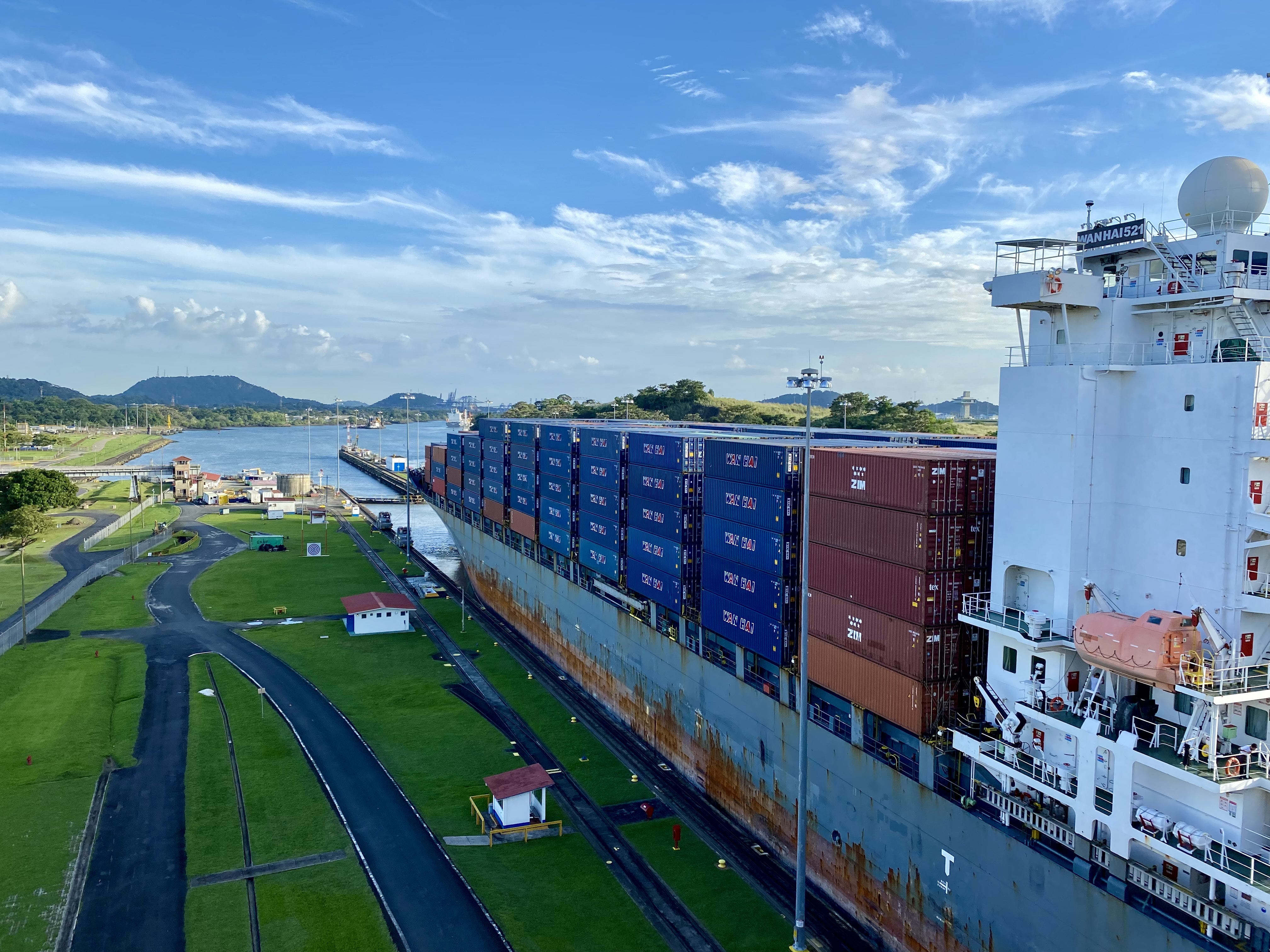
ISF Cargo for more Information
Challenges and Constraints
Limited space and capacity in bonded warehouses
One of the challenges faced by bonded warehouses is limited space and capacity. The increasing volume of imports and the growing demands of the global supply chain can put pressure on the available storage facilities. Bonded warehouses need to ensure that they have sufficient space to accommodate the incoming cargo and maintain appropriate storage conditions. This may require investments in infrastructure expansion, the adoption of innovative storage solutions, or the utilization of shared or off-site storage facilities.
Adherence to storage requirements and regulations
Bonded warehouses must adhere to specific storage requirements and regulations imposed by the CBP and other regulatory bodies. This includes maintaining proper temperature control, implementing adequate ventilation systems, and complying with industry best practices for storing different types of goods. Ensuring compliance with these requirements can be challenging, as it requires ongoing monitoring, training of staff, and regular inspections to identify and address any potential non-compliance issues promptly.
Managing time-sensitive cargo
Bonded warehouses often handle time-sensitive cargo, such as perishable goods or goods with expiration dates. These goods require special attention and careful management to ensure that they are stored in optimal conditions and released for consumption or re-export within the specified timeframe. The ISF program adds an additional layer of complexity to managing time-sensitive cargo, as importers and bonded warehouses must meet the submission timelines for ISF data to ensure compliance. Failure to meet these timelines can result in delays or penalties, impacting the efficiency of the storage operations.
Potential financial implications for violations
Non-compliance with the ISF program and other storage regulations can result in financial implications for both bonded warehouses and importers. Violations may lead to penalties, fines, and increased scrutiny from the CBP, which can have a significant impact on the financial health and reputation of the warehouse. Importers may also face financial consequences if their cargo is delayed or denied entry due to non-compliance. To mitigate these financial risks, bonded warehouses must invest in robust compliance management systems, staff training, and continuous improvement processes.
Integration with Other Import Programs
Connections with the Automated Commercial Environment (ACE)
The ISF program is closely connected with the Automated Commercial Environment (ACE), a web-based system used by the CBP to facilitate the flow of trade and enforce customs regulations. Through ACE, importers can submit their ISF data electronically, streamlining the submission process and enabling real-time communication with the CBP. The integration of the ISF program with ACE helps to improve data accuracy, reduce paperwork, and enhance the efficiency of customs procedures for bonded warehouses and importers.
Interaction with the Customs-Trade Partnership Against Terrorism (C-TPAT) program
The ISF program interacts with the Customs-Trade Partnership Against Terrorism (C-TPAT) program, which is a voluntary partnership between the CBP and businesses involved in international trade. C-TPAT aims to enhance supply chain security and improve the safety of imported goods. While the ISF program is mandatory, C-TPAT provides additional benefits to participating companies, including reduced inspections, priority processing, and access to enhanced security measures. Bonded warehouses that are part of the C-TPAT program may enjoy additional advantages in terms of supply chain security and efficiency.
Compliance with ISF Requirements
Submission timelines for ISF data
Importers are required to submit their ISF data to the CBP at least 24 hours before the cargo is loaded onto a vessel destined for the United States. The precise submission timeline may vary depending on the mode of transport and other factors, highlighting the importance of understanding and meeting the specific requirements for each shipment. Compliance with the submission timelines is crucial to avoid penalties, delays, or potential disruptions in the supply chain.
Accuracy and completeness of ISF filings
Importers must ensure that their ISF filings are accurate and complete to comply with the ISF program. The CBP relies on the information provided in the ISF filings to assess the risk associated with each shipment and determine the level of scrutiny required. Inaccurate or incomplete information can lead to misclassification of cargo, delays in customs clearance, or penalties for non-compliance. It is essential for importers and their agents to have proper processes in place to verify the accuracy of the data and ensure that all required fields are correctly filled.
Responsibilities and duties of bondholders
Bondholders, who are the owners or operators of bonded warehouses, have specific responsibilities and duties under the ISF program. They must ensure that their warehouses meet the security and storage requirements set by the CBP. This includes implementing appropriate security measures, allowing access for CBP inspections, and maintaining accurate records of stored goods. Bondholders must also cooperate with importers and provide the necessary information for the ISF filings, ensuring compliance with the program’s regulations. Failure to fulfill these responsibilities can result in penalties and the loss of bonded status.
Potential Future Developments
Technological advancements in cargo storage tracking
Technological advancements are expected to play a significant role in the future of cargo storage tracking. Innovations such as Internet of Things (IoT) devices, RFID tags, and real-time monitoring systems offer opportunities for improved visibility and traceability of goods throughout the storage process. These technologies can enhance the accuracy of data collection, optimize inventory management, and enable proactive monitoring of storage conditions, ensuring compliance with ISF requirements and enhancing the overall efficiency and security of the storage operations.
Further cooperation with bonded warehouses
The CBP is likely to continue fostering collaboration with bonded warehouses to improve the effectiveness of the ISF program. This cooperation may involve providing informational resources, conducting training sessions, and establishing communication channels to address any challenges or concerns faced by bonded warehouses. The CBP recognizes the vital role of bonded warehouses in the supply chain and is committed to working together to ensure secure and efficient cargo storage.
Expansion of the ISF program
As technology advances and supply chains become increasingly complex, the ISF program may expand to incorporate additional requirements and data elements. The CBP is continuously evaluating the program’s effectiveness and looking for ways to enhance security and streamline processes further. Importers and bonded warehouses should stay informed about any updates or changes to the ISF program to ensure ongoing compliance and optimize their storage operations.
Case Studies and Examples
Successful implementation of the ISF program in a bonded warehouse
One example of a successful implementation of the ISF program in a bonded warehouse is ABC Warehousing, a third-party logistics provider specializing in the storage of consumer electronics. ABC Warehousing partnered with importers to ensure timely and accurate submission of ISF data for each shipment. By integrating the ISF requirements into their existing processes, implementing robust security measures, and collaborating closely with the CBP, ABC Warehousing achieved compliance with the program. This resulted in faster customs clearance, enhanced security for stored goods, and strengthened relationships with importers.
Improvement in cargo storage practices through ISF compliance
Another example showcases the improvement in cargo storage practices achieved through ISF compliance. XYZ Bonded Warehouse, a large-scale facility handling a wide range of goods, recognized the need to enhance its storage operations to meet the ISF requirements. As part of their compliance efforts, XYZ Bonded Warehouse invested in state-of-the-art storage infrastructure, implemented strict inventory management systems, and trained its staff on ISF regulations. These improvements not only ensured compliance but also elevated the overall quality and efficiency of their storage practices, leading to increased customer satisfaction and a stronger position in the market.
Conclusion
The ISF program plays a crucial role in addressing the challenges and requirements associated with bonded warehouses and cargo storage. By requiring detailed information about imported cargo in advance, the program enhances security, streamlines customs processes, and mitigates risks associated with improper storage practices. As compliance with the ISF program becomes increasingly important, bonded warehouses need to invest in infrastructure, training, and technology to meet the program’s requirements successfully. By doing so, they can unlock the benefits of streamlined processes, enhanced security, reduced risk, and improved efficiency in the storage of imported goods.
Learn more about ISF Filing portal for Customs brokers. Know more for ISF bond submission. Feel free to Customs Filing assistance. Return to ISF Cargo.