
How Are ISF Penalties Determined, And Can They Be Appealed?
So you’ve found yourself in a bit of a predicament with your Importer Security Filing (ISF) and now you’re facing penalties. But how exactly are these penalties determined? And more importantly, is there any chance of appealing them? In this article, we’ll break down the process behind ISF penalties and explore whether or not you have any options to contest them.
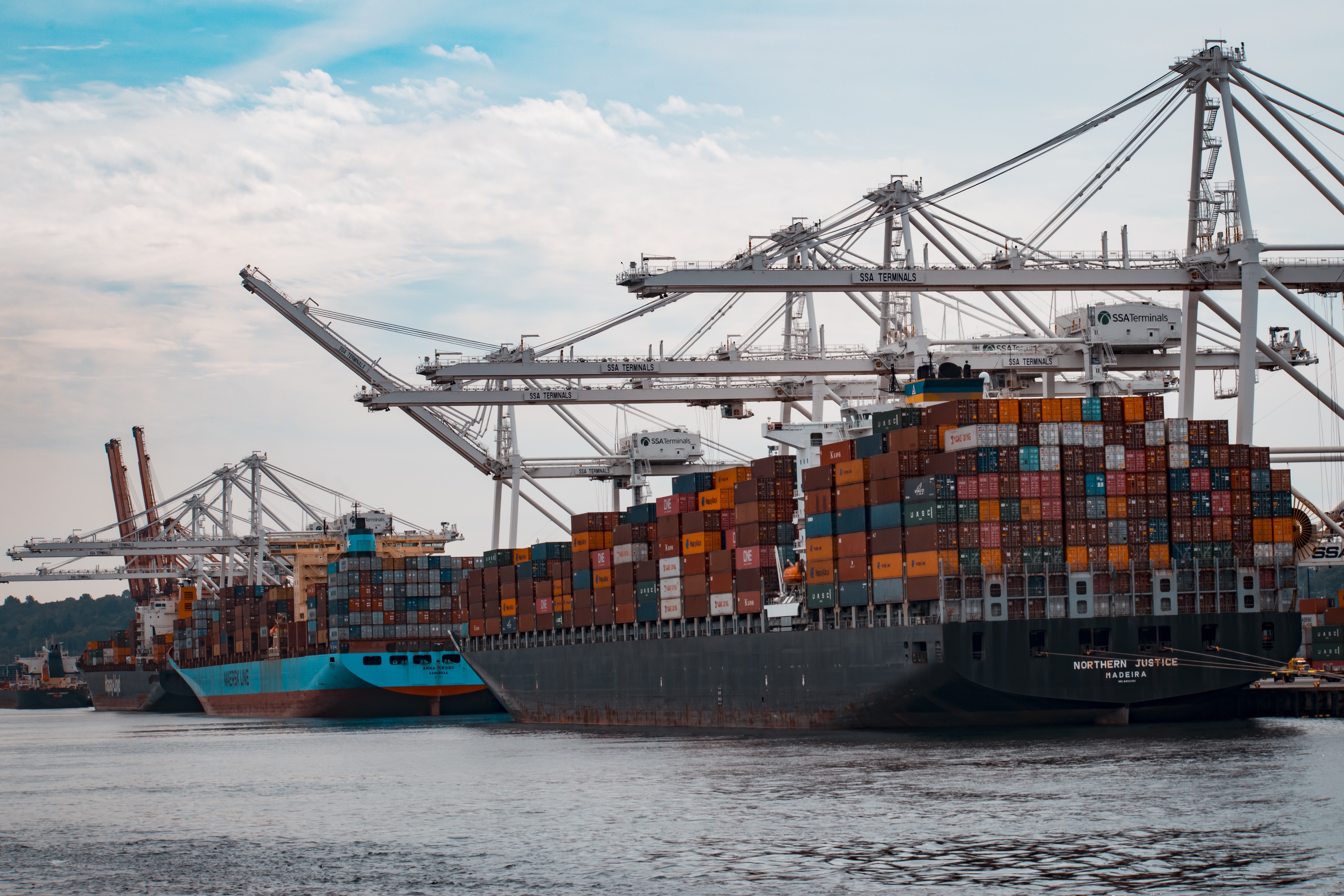
Overview of ISF Penalties
What is the ISF?
The Importer Security Filing (ISF), also known as 10+2, is a requirement by U.S. Customs and Border Protection (CBP) for importers to provide specific information about their shipments before they arrive in the United States. The ISF provides CBP with advance data on imported goods, allowing them to assess potential risks and ensure security.
Why are ISF penalties imposed?
ISF penalties are imposed to ensure compliance with the ISF requirements and to incentivize importers to provide accurate and timely information. CBP uses these penalties as a means to hold importers accountable for any failures or violations related to ISF filing.
Nature of ISF Penalties
ISF penalties can be financial or non-financial in nature, depending on the severity of the violation. Financial penalties can range from a few hundred dollars to tens of thousands of dollars per violation. Non-financial penalties may involve shipment delays, cargo holds, or additional inspections.
Factors Affecting ISF Penalties
Late Filing
Late filing of the ISF is a common factor that can result in penalties. CBP requires the ISF to be filed at least 24 hours before the cargo is loaded onto the vessel destined for the United States. Failure to meet this deadline can lead to penalties.
Inaccurate Information
Providing inaccurate or incomplete information in the ISF can also lead to penalties. CBP relies on the accuracy of the information provided to assess risks correctly and determine the appropriate level of scrutiny for each shipment. Any discrepancies or false information may result in penalties.
Non-Compliance with ISF Requirements
Failure to comply with the specific requirements outlined by CBP for the ISF can trigger penalties. Importers must ensure they abide by the guidelines provided, such as including the required 10 data elements and submitting the filing within the designated timeframe.
Failure to Respond to CBP Notices
If CBP issues a notice relating to the ISF and an importer fails to respond within the given timeframe, penalties may be imposed. Timely communication and cooperation with CBP are essential to avoid penalties and resolve any issues effectively.
Previous Penalty History
An importer’s history of penalties related to ISF violations may also influence the penalties imposed. Repeat violations or a pattern of non-compliance could result in increased penalties.

Determining the Amount of ISF Penalties
CBP Penalty Guidelines
CBP utilizes penalty guidelines to determine the amount of penalties for ISF violations. These guidelines provide a framework for assessing the severity of the violation and calculating the base penalty amount.
Classification of Violations
ISF violations are categorized based on their nature and severity. The classification determines the level of penalty associated with a particular violation. Minor violations may result in lower penalties, while major violations could lead to more substantial financial consequences.
Calculating Base Penalties
The base penalty amount for an ISF violation is calculated based on the severity of the violation, as determined by CBP guidelines. The guidelines consider factors such as late filing, inaccurate information, and non-compliance with ISF requirements.
Factors Influencing Penalty Amount
In addition to the severity of the violation, other factors may influence the penalty amount. CBP considers factors such as the importer’s history of violations, cooperation with CBP during the investigation, and efforts made to rectify the violation promptly.
Appealing ISF Penalties
Right to Appeal
Importers have the right to appeal ISF penalties if they believe the penalty was imposed in error or if they have valid grounds to dispute the penalty. The appeals process provides a mechanism for importers to present their case to CBP and seek a reduction or reversal of the penalty.
Timelines for Appeals
Importers must be aware of the timelines for filing an appeal. Generally, an appeal must be filed within 60 days from the date of receiving the penalty notice. It is crucial to adhere to these timelines to ensure the appeal is considered by CBP.
Submitting an Appeal
To appeal an ISF penalty, importers must submit a formal appeal letter to the CBP office that issued the penalty. The letter should clearly outline the reasons for the appeal and provide any supporting evidence relevant to the case.
Review by CBP
Once an appeal is submitted, CBP will review the appeal and supporting documentation. CBP may request additional information or clarification if needed. It is essential to cooperate fully with CBP during this stage to improve the chances of a successful appeal.
Alternative Dispute Resolution (ADR) Methods
Importers may also explore alternative dispute resolution methods, such as mediation or arbitration, to resolve the dispute outside the traditional appeals process. These methods can provide a more expedient and cost-effective way to reach a resolution.
Legal Recourse
If an importer is unsatisfied with the outcome of the appeal or alternative dispute resolution methods, they may consider seeking legal recourse. Engaging legal assistance can help navigate complex legal procedures and provide guidance on the appropriate course of action.

ISF Cargo for more Information
Common Grounds for Appealing ISF Penalties
Procedural Errors
Importers may appeal ISF penalties based on procedural errors committed by CBP during the assessment or enforcement process. Any substantial deviation from prescribed procedures can weaken the validity of the penalty and provide grounds for an appeal.
Inadequate Evidence
If an importer believes that CBP has inadequate evidence to support the penalty, they can appeal based on the lack of substantial proof. Presenting contrary evidence or demonstrating that CBP’s evidence is unreliable can bolster the appeal.
Disputing Violation Classification
Appealing the violation classification is another common ground for challenging ISF penalties. Importers may argue that the alleged violation should be classified as a less severe violation, resulting in a reduced penalty amount.
Mistaken Identity
Importers may appeal ISF penalties if they can provide evidence showing that they were mistakenly identified as the responsible party for the violation. Demonstrating that the violation was unrelated to their shipment or due to an administrative error can help reverse the penalty.
Demonstrating Reasonable Care
Importers who can prove that they exercised reasonable care in fulfilling their ISF obligations may appeal penalties. Demonstrating that the violation was unintentional and resulted from factors beyond the importer’s control can strengthen the case for a penalty reduction.
Unintentional Violations
Importers may appeal penalties by showing that the violation was completely unintentional and resulted from an honest mistake. Providing evidence of corrective actions taken promptly after discovering the error can support the appeal.
Process of Appeals
Documenting Supporting Evidence
Importers appealing ISF penalties should gather and document all supporting evidence relevant to their case. This may include shipping documents, communication records, and any other documentation that can strengthen their argument and disprove the alleged violation.
Drafting an Appeal Letter
The appeal letter is a critical component of the appeals process. Importers should clearly articulate their grounds for appealing, reference the penalty notice, and provide a detailed explanation of their position. It is essential to be concise, factual, and persuasive in presenting the case.
Submitting the Appeal
The appeal letter, along with any supporting documentation, should be submitted to the CBP office that issued the penalty within the specified timeline. Importers should retain copies of all documents submitted and consider sending the appeal via a trackable method for record-keeping purposes.
CBP Review and Decision
After the appeal is submitted, CBP will conduct a thorough review of the case. They may request additional information or clarification if needed. It is crucial to maintain open lines of communication with CBP during this stage and promptly respond to any inquiries.
Requesting ADR
If a mutually agreeable resolution is not reached through the traditional appeals process, importers may request alternative dispute resolution methods, such as mediation or arbitration. ADR can provide an opportunity for a neutral third party to help facilitate a settlement between the importer and CBP.
ADR Process and Settlement
The ADR process may involve informal discussions, negotiation sessions, and the presentation of evidence to the mediator or arbitrator. The goal is to reach a mutually acceptable settlement that resolves the dispute. If a settlement is reached, it is typically binding on both parties.
CBP Response to Appeals
Types of CBP Decisions
CBP can respond to appeals by either reducing the penalty, upholding the original penalty, or denying the appeal entirely. The response will be communicated to the importer in writing, outlining the reasoning behind the decision.
Penalty Reductions
If CBP determines that the appeal has merit or that the penalty was too severe, they may reduce the penalty amount. CBP considers various factors, such as the importer’s compliance history, cooperation during the appeals process, and the strength of the importer’s argument.
Denial of Appeals
In cases where the appeal is denied, CBP will uphold the original penalty. Importers should carefully review the written response from CBP and assess further options, such as seeking legal recourse or challenging the decision through other administrative channels.
Additional Considerations
Engaging Legal Assistance
Importers facing ISF penalties may find it beneficial to engage legal assistance. An experienced attorney with expertise in customs law can provide guidance throughout the appeals process, help navigate complex legal requirements, and advocate for the importer’s best interests.
Recording Relevant Communications
Importers should maintain accurate records of all communications related to ISF penalties. This includes records of discussions with CBP officials, written correspondence, and any other documentation exchanged during the appeals process. These records serve as crucial evidence if disputes arise later.
Keeping Track of Timelines
Strict adherence to timelines is vital when appealing ISF penalties. Importers should maintain a clear record of all deadlines, including the appeal filing deadline and any subsequent deadlines set by CBP. Organizational tools, reminders, and calendar alerts can help avoid missed deadlines.
Reviewing Internal Compliance Processes
Facing ISF penalties can highlight gaps or shortcomings in an importer’s internal compliance processes. Importers should conduct a thorough review of their compliance procedures and seek to strengthen any areas that may have contributed to the violation. Periodic internal audits can provide valuable insights and help prevent future penalties.
Need for Compliance and Mitigation Strategies
Avoiding ISF Penalties
The best way to avoid ISF penalties is to comply fully with the ISF requirements. Importers should familiarize themselves with the guidelines provided by CBP and implement appropriate measures to ensure accurate and timely filing of the ISF.
Implementing Robust Compliance Measures
Importers should develop and implement robust compliance measures to proactively prevent ISF violations. This may include establishing clear policies and procedures, providing comprehensive training to employees involved in the ISF process, and conducting regular internal audits of filing practices.
Establishing Effective Record-Keeping Practices
Maintaining detailed and organized records of ISF filings and related documentation is essential. Effective record-keeping practices enable importers to easily retrieve and provide evidence if disputes or penalties arise. Electronic record-keeping systems can enhance efficiency and accuracy in record management.
Periodic Internal Audits
Regular internal audits help identify any potential compliance gaps and ensure ongoing adherence to ISF requirements. By conducting periodic assessments, importers can rectify any issues promptly and minimize the risk of future penalties.
Proper Training and Education
Providing proper training and education to employees involved in the ISF process is crucial. Clear guidelines, comprehensive training programs, and ongoing education sessions can enhance understanding and compliance with ISF requirements, reducing the likelihood of violations.
Conclusion
Understanding the nature of ISF penalties is crucial for importers to navigate the complex landscape of international trade. By being aware of the factors influencing ISF penalties, importers can take proactive steps to avoid violations and mitigate potential penalties. The appeals process provides an avenue for importers to challenge penalties if they believe they have valid grounds. By following the proper appeal process, providing supporting evidence, and engaging in alternative dispute resolution methods if necessary, importers can seek a fair resolution. Implementing robust compliance measures, such as effective record-keeping practices and periodic internal audits, can prevent future ISF violations and penalties. Ultimately, ensuring compliance and staying proactive can help importers maintain smooth trade operations while avoiding unnecessary financial burdens.
Learn more about ISF entry submission checklist. Know more for Customs bond Filing. Feel free to ISF Cargo compliance inquiry form. Return to Importer Security Filing services.