
What Role Do Customs Brokers Or Agents Play In ISF Filings?
So, you’ve probably heard about ISF filings, but do you know what role customs brokers or agents play in this process? Well, let me break it down for you. Customs brokers or agents are instrumental in helping importers file the Importer Security Filing (ISF), which is a mandatory requirement by the U.S. Customs and Border Protection (CBP) for all shipments entering the United States by sea. These industry experts not only navigate through the complex web of regulations and documentation but also ensure compliance and facilitate a seamless importation process. In this article, we’ll explore the crucial role that customs brokers or agents play in ISF filings and how their expertise can benefit importers in avoiding costly penalties and delays.
Understanding ISF Filings
What is an ISF?
An ISF, or Importer Security Filing, is a requirement enforced by customs authorities in the United States. It is also commonly known as the 10+2 filing, as it involves providing ten data elements from the importer and two from the carrier. The purpose of an ISF is to enhance cargo security by allowing customs authorities to assess the risk level of incoming shipments before they arrive at the port of entry.
ISF Filing Requirements
All ocean freight shipments bound for the United States are required to submit an ISF, unless they qualify for an exemption. The filing must be submitted no later than 24 hours before the vessel is loaded at the port of origin. Failure to comply with ISF requirements can result in penalties and delays in customs clearance.
The Purpose of ISF Filings
The primary purpose of ISF filings is to improve security measures surrounding the importation of goods into the United States. By providing comprehensive information about the cargo, its origin, and the parties involved, customs authorities can evaluate the potential risks associated with each shipment. This allows them to prioritize inspections and allocate resources efficiently to ensure the safety of the goods and the nation.
Introduction to Customs Brokers or Agents
Definition of Customs Broker or Agent
A customs broker or agent is a licensed professional who specializes in customs procedures and regulations. They serve as intermediaries between importers and customs authorities, facilitating the smooth and efficient movement of goods across international borders. Customs brokers or agents possess in-depth knowledge of customs laws and regulations, ensuring compliance with all necessary requirements.
Importance of Customs Brokers or Agents
Customs brokers or agents play a crucial role in the ISF filing process. They have extensive experience and expertise in navigating the complex world of customs procedures and regulations. By utilizing their services, importers can ensure their ISF filings are accurate, compliant, and submitted in a timely manner. Customs brokers or agents help importers avoid penalties, delays, and other issues by providing professional assistance and guidance throughout the entire process.
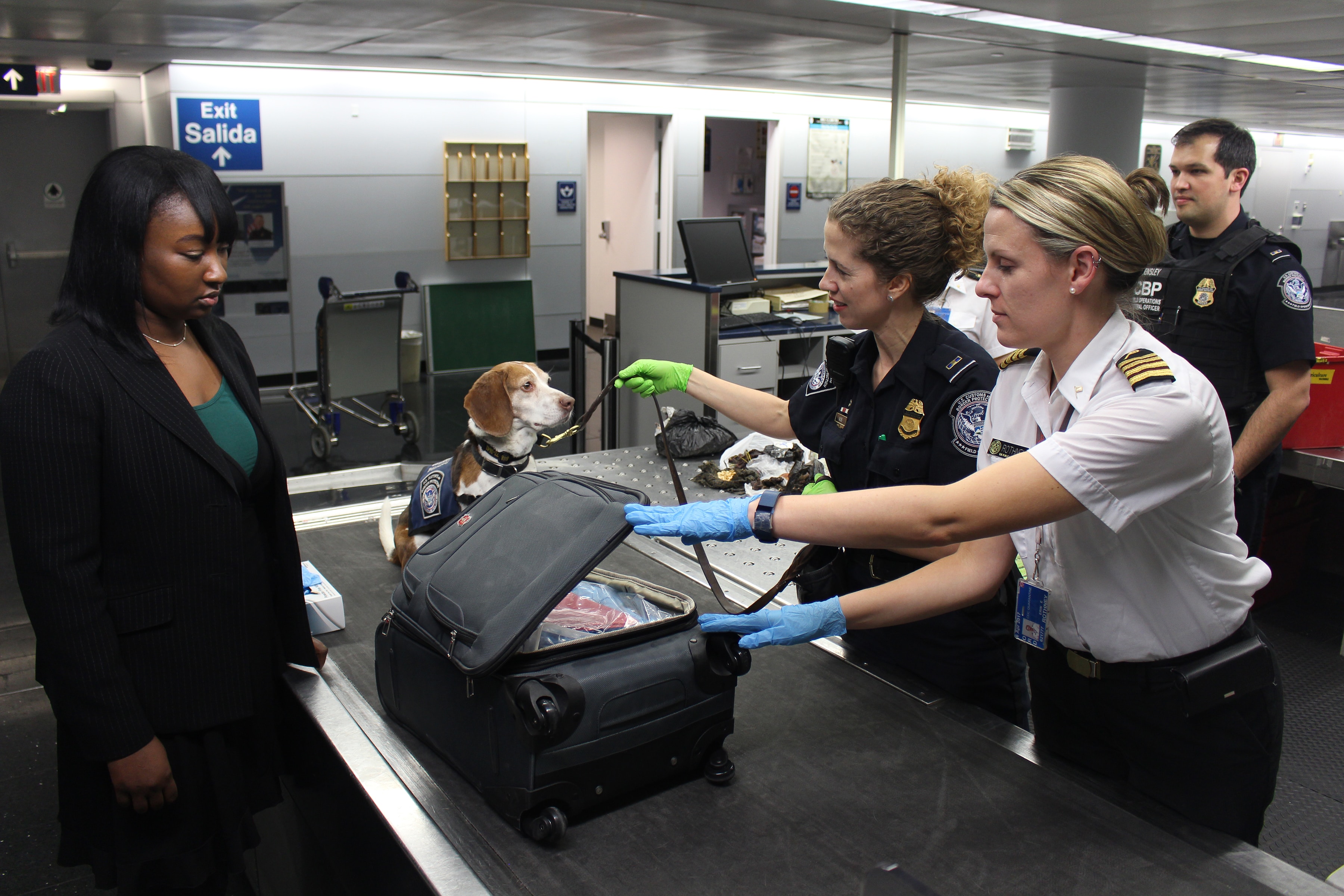
Responsibilities of Customs Brokers or Agents in ISF Filings
Assisting in Compliance with ISF Regulations
One of the primary responsibilities of customs brokers or agents is to ensure importers comply with all ISF filing regulations. They stay updated with any changes or updates to the requirements and assist their clients in adhering to them. By relying on a customs broker or agent, importers can avoid mistakes or omissions that could result in penalties or delays.
Collecting and Reviewing Importer Information
Customs brokers or agents gather and review all necessary information from importers to fulfill the ISF filing requirements. This includes details such as the importer’s name and address, consignee’s information, shipper’s details, and other relevant data. They verify the accuracy and completeness of the information before submitting the ISF to customs authorities.
Accurate and Timely Submission of ISF
One of the core responsibilities of customs brokers or agents is to ensure the accurate and timely submission of the ISF. They work closely with importers to gather the necessary information, create a complete ISF, and submit it within the required timeframe. By leveraging their knowledge and expertise, customs brokers or agents can streamline the filing process and minimize the risk of errors or delays.
Coordination with Other Parties Involved
Customs brokers or agents act as a central point of contact between importers, carriers, and customs authorities. They coordinate with all parties involved to ensure a smooth flow of information and seamless execution of the ISF filing process. This involves liaising with carriers to obtain the required data and collaborating with customs authorities to address any issues or queries that may arise.
Addressing ISF Amendments and Corrections
In case of amendments or corrections required after the initial ISF submission, customs brokers or agents play a vital role in managing the process. They work closely with importers to gather the revised information and ensure it is accurately reflected in the amended ISF. By promptly addressing amendments or corrections, customs brokers or agents help importers maintain compliance with ISF regulations.
ISF Filing Process
Step 1: Obtaining Importer Information
The first step in the ISF filing process is for the customs broker or agent to gather all necessary information from the importer. This includes details about the shipment, such as the importer’s contact information, consignee details, and the bill of lading or booking number.
Step 2: Creating a Complete ISF
Once the importer information has been collected, the customs broker or agent creates a complete ISF by entering the required data elements. This involves providing information about the importer, consignee, manufacturer or supplier, and other relevant parties involved in the shipment.
Step 3: Submitting the ISF
After the ISF has been created, the customs broker or agent submits it electronically to the customs authorities. They ensure that all necessary fields are accurately filled and adhere to the required timeline for submission. This step is critical in ensuring compliance with ISF regulations and avoiding any penalties or delays.
Step 4: Communicating with Customs Authorities
Throughout the ISF filing process, customs brokers or agents maintain constant communication with the customs authorities. They address any queries or concerns raised by the authorities promptly and provide any additional information or documentation that may be required.
Step 5: Addressing Amendments or Corrections
If any amendments or corrections are needed in the submitted ISF, the customs broker or agent works closely with the importer to gather the revised information. They promptly update the ISF and submit the amended version to customs authorities, ensuring compliance with the necessary requirements.

ISF Cargo for more Information
Benefits of Using Customs Brokers or Agents for ISF Filings
Expertise in Customs Regulations
Customs brokers or agents possess an in-depth understanding of customs regulations and procedures. They stay updated with any changes in the laws and requirements, ensuring importers remain compliant. Their expertise in navigating the complexities of customs regulations is vital in ensuring accurate and compliant ISF filings.
Efficiency and Accuracy
By leveraging the services of customs brokers or agents, importers can benefit from their efficiency and accuracy in preparing and submitting ISF filings. These professionals have a thorough knowledge of the filing process, allowing them to minimize errors and streamline the overall procedure. This leads to quicker customs clearance and reduces the risk of penalties or delays.
Avoiding Penalties and Delays
Customs brokers or agents play a pivotal role in helping importers avoid penalties and delays in the ISF filing process. By ensuring all necessary information is provided accurately and on time, they help importers stay compliant with ISF regulations. This helps prevent costly penalties and minimize potential disruptions to the supply chain.
Time and Cost Savings
Utilizing the services of customs brokers or agents can result in significant time and cost savings for importers. These professionals handle the complexities of the ISF filing process, allowing importers to focus on their core business activities. By outsourcing the filing process to experts, importers can save valuable time and resources.
Tailored Solutions to Meet Individual Needs
Every importer has unique requirements and circumstances. Customs brokers or agents offer personalized solutions to meet individual needs. Whether an importer is new to the ISF filing process or has specific requirements, customs brokers or agents can tailor their services accordingly, providing invaluable assistance and guidance.
Choosing a Customs Broker or Agent
Experience and Expertise
When selecting a customs broker or agent, it is important to consider their experience and expertise in ISF filings. Look for professionals who have a proven track record in the industry and possess a deep understanding of customs regulations and procedures.
Industry Reputation
The reputation of a customs broker or agent should be carefully evaluated before making a decision. Seek recommendations from other importers or industry professionals to gain insights into their credibility and reliability. A reputable customs broker or agent will have a solid reputation for providing quality service.
Communication and Customer Service
Effective communication is crucial in the ISF filing process. Choose a customs broker or agent who demonstrates excellent communication skills and is easily accessible. They should be responsive to inquiries and provide regular updates on the progress of the filing. Good customer service is also essential, as it ensures a smooth and satisfactory experience throughout the process.
Integrated Technology and Software
A customs broker or agent equipped with integrated technology and software solutions can streamline the ISF filing process. Look for professionals who utilize advanced systems that enhance accuracy and efficiency. This allows for seamless data exchange between all parties involved and minimizes the risk of errors or delays.
Additional Services
Apart from ISF filings, consider the range of additional services offered by customs brokers or agents. Some may provide a comprehensive suite of customs brokerage services, including customs clearance, duty calculations, and compliance audits. Assess your specific needs and determine if the customs broker or agent can fulfill them beyond ISF filings.
Common Challenges and Solutions in ISF Filings
Incomplete or Inaccurate Information
One of the most common challenges in ISF filings is incomplete or inaccurate information provided by importers. Customs brokers or agents address this challenge by working closely with importers to gather accurate and complete information. They ensure all data elements required for the ISF are appropriately filled in, reducing the risk of penalties or delays.
Delays in Submission
Importers may face delays in submitting the ISF, jeopardizing compliance with the regulations. Customs brokers or agents mitigate this challenge by closely monitoring the filing process and adhering to the required timeline. By proactively communicating with importers and carriers, they ensure the submission is completed within the stipulated timeframe.
ISF Amendments and Corrections
Sometimes, amendments or corrections are required in the initially submitted ISF. Customs brokers or agents promptly address this challenge by collaborating with importers to gather the revised information and updating the ISF accordingly. Their expertise in managing amendments and corrections ensures continued compliance with ISF regulations.
Communication Issues
Effective communication is vital in ISF filings. Importers may face challenges in maintaining clear and consistent communication with customs authorities. Customs brokers or agents act as intermediaries, addressing any communication issues that arise. They facilitate seamless communication between importers and customs authorities, ensuring queries and concerns are promptly resolved.
Best Practices for ISF Filings with Customs Brokers or Agents
Maintaining Clear Communication
Clear and consistent communication is crucial throughout the ISF filing process. Importers should establish open lines of communication with their chosen customs broker or agent to ensure a smooth flow of information. Regular updates, prompt responses to queries, and effective collaboration contribute to a successful ISF filing.
Providing Accurate and Complete Information
Importers must provide accurate and complete information to their customs broker or agent. This ensures the ISF filings are compliant with the regulations and reduces the risk of penalties or delays. Importers should double-check the accuracy of the data provided and ensure no crucial information is omitted.
Staying Informed about Regulatory Changes
Customs regulations and ISF requirements may undergo changes periodically. Importers should stay informed about any updates to the regulations and relay the information to their customs broker or agent. By remaining proactive in understanding the latest requirements, importers can assist their customs broker or agent in maintaining compliance.
Choosing a Reliable Customs Broker or Agent
The selection of a reliable customs broker or agent is crucial for a successful ISF filing process. Conduct thorough research, read reviews, and seek recommendations before finalizing a choice. Reliable customs brokers or agents possess the necessary expertise, experience, and industry reputation to handle the complexities of ISF filings effectively.
Regularly Reviewing ISF Filings
Importers should regularly review their ISF filings to ensure accuracy and compliance. Collaborate with the customs broker or agent to assess the filings periodically. This allows for the identification and rectification of any errors or discrepancies, preventing potential issues during customs clearance.
Conclusion
Customs brokers or agents play an essential role in the ISF filing process. Their expertise, knowledge of regulations, and industry experience enable importers to navigate the complexities of customs procedures effectively. By leveraging their services, importers can ensure accurate, compliant, and timely ISF filings, promoting efficiency, and minimizing the risk of penalties or delays. The assistance of customs brokers or agents is invaluable in achieving both security and compliance in international trade.
Learn more about CBP ISF regulations. Know more for Customs bond Filing. Feel free to Customs Filing assistance. Return to Customs compliance solutions.