
Can I File ISF For Goods That Are Being Shipped To A Film Production Location In The US?
So you’re in the process of shipping goods to a film production location in the US and you’re wondering if you can file an ISF (Import Security Filing) for those goods? Well, you’ve come to the right place for answers. In this article, we’ll delve into the topic and provide you with all the information you need to know about filing an ISF for goods being shipped to a film production location in the US. Whether you’re a filmmaker, production assistant, or just curious about the logistics of film production, get ready to find out if you can file that ISF!
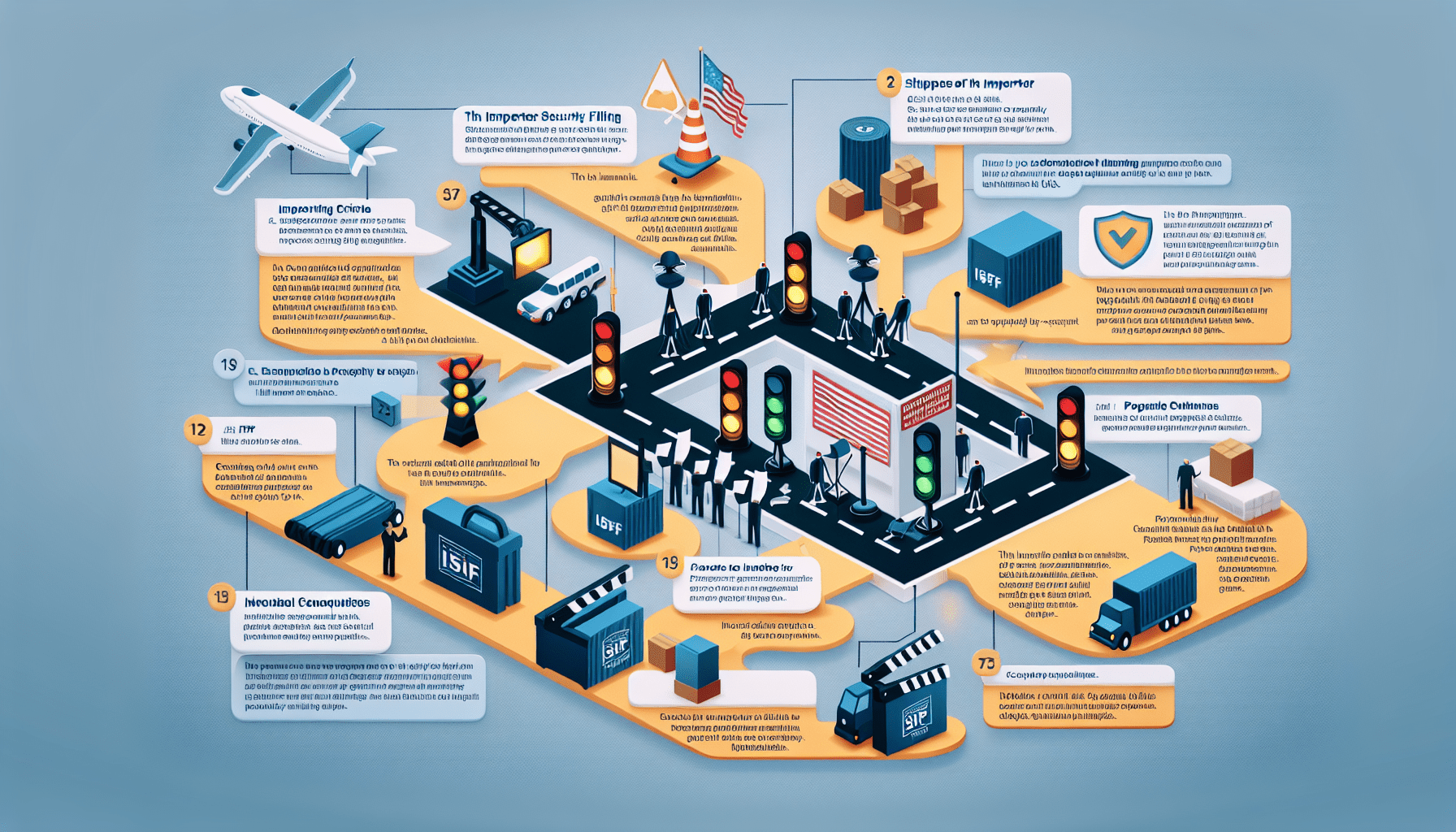
Understanding ISF
What is ISF?
Import Security Filing (ISF) refers to a requirement by the US Customs and Border Protection (CBP) for importers to provide specific information about their shipments before the cargo arrives in the United States. This filing is also known as a 10+2 filing because it consists of ten data elements provided by the importer and two data elements provided by the carrier. The purpose of ISF is to enhance the security of the supply chain and allow CBP to assess any potential risk associated with the imported goods.
Who is required to file ISF?
Any individual or entity acting as the importer on record is responsible for filing the ISF. This typically refers to the party that is bringing the goods into the United States, either as the owner or purchaser of the goods, or as the consignee listed on the bill of lading or airway bill. Whether you are a film production company importing equipment or materials for a shoot, or a supplier sending goods to a film production location, you may be required to file ISF.
Purpose of ISF
The main purpose of ISF is to strengthen the security measures surrounding imported goods. By obtaining detailed information upfront, CBP can assess the level of risk associated with each shipment and take necessary action to prevent and detect any potential security threats. Additionally, ISF helps in streamlining the customs clearance process, ensuring compliance with customs regulations, and facilitating efficient supply chain management.
Goods Shipped to Film Production Location
Importance of filing ISF for goods shipped to film production location
Filing ISF for goods shipped to a film production location is crucial to ensure a smooth and expedited supply chain process. By providing key information about the imported goods, such as their origin, value, and contents, you enable CBP to perform a risk assessment and determine the appropriate level of scrutiny for your shipment. This helps avoid unnecessary delays during the customs clearance process and ensures timely delivery of the goods to the film production location.
Requirements for filing ISF for film production goods
To file ISF for film production goods, you will need to gather essential information about your shipment, such as the manufacturer or supplier’s name and address, the seller’s name and address, the buyer’s name and address, the consignee’s name and address, and a detailed description of the goods, including their Harmonized System (HS) code and value. Additionally, you may need to provide information about the vessel or aircraft carrying the goods and the estimated arrival date at the film production location.
ISF Filing Process
Documentation needed for ISF filing
When filing ISF for film production goods, you will be required to provide several important documents. These documents typically include the commercial invoice, bill of lading or airway bill, packing list, a detailed description of the goods, and any other relevant supporting documents, such as licenses or permits, if applicable. It is essential to gather and review these documents in advance to ensure accurate and timely filing of the ISF.
Submission methods for ISF
There are several submission methods available for filing ISF. You can choose to file it electronically through the CBP’s Automated Broker Interface (ABI) system, submit it through the online portal called the Automated Commercial Environment (ACE), or use the services of a licensed customs broker to assist with the filing process. The choice of submission method depends on your familiarity with the process, the volume of shipments, and your access to necessary technology and resources.
Timeline for filing ISF
The ISF must be filed at least 24 hours before the vessel or aircraft carrying the goods departs for the United States. It is essential to initiate the filing process well in advance to allow sufficient time for gathering the required information and resolving any potential issues that may arise. Failing to meet the filing deadline or submitting incomplete or inaccurate information may result in penalties or delays in customs clearance.
Penalties for non-compliance
Non-compliance with ISF requirements can lead to various penalties imposed by CBP. These penalties can range from monetary fines to cargo holds and even the potential refusal of entry for the goods. It is crucial to understand and adhere to the ISF filing requirements to avoid any adverse consequences for your film production shipments.

Benefits of Filing ISF for Film Production Goods
Ensuring smooth supply chain
By filing the ISF for film production goods, you help to ensure a smooth and uninterrupted supply chain process. Providing accurate and detailed information about your shipment enables CBP to assess and process the goods efficiently, minimizing the risk of delays or disruptions.
Avoiding shipment delays
Timely and accurate filing of ISF helps to avoid unnecessary shipment delays. By providing all the required information before the arrival of the goods, you enable CBP to conduct the necessary risk assessments and screenings in advance. This allows for efficient customs clearance and prevents any avoidable hold-ups in delivering the goods to the film production location.
Compliance with customs regulations
Filing the ISF for film production goods ensures compliance with customs regulations and requirements. By fulfilling your obligations as an importer, you demonstrate your commitment to adhering to the import regulations set forth by CBP. Compliance with these guidelines not only helps you avoid penalties but also builds trust with customs authorities, facilitating future import processes.
Efficient tracking of goods
The ISF filing provides an additional layer of visibility and tracking for your film production goods. By providing detailed information about the shipment, you enable CBP to monitor and track the progress of your goods from the point of origin to their final destination. This visibility helps in addressing any potential issues or concerns that may arise during transit, ensuring the safe and timely arrival of the goods at the film production location.
Exceptions and Exemptions
Certain goods exempted from ISF
While most goods imported into the United States are subject to ISF requirements, there are some exceptions. For example, goods arriving by land from Canada or Mexico or goods covered by Immediate Transportation (IT) or Transportation and Exportation (T&E) permits are exempt from ISF filing. It is vital to consult with CBP or a licensed customs broker to determine if your film production goods fall under any of these exemptions.
Specific exemptions for film production industry
The film production industry may enjoy specific exemptions under certain circumstances. For example, if the goods imported for film production are intended to be exported within 365 days without substantial changes, they may be eligible for an exemption. It is important to consult with a customs broker or CBP to determine if such exemptions apply to your film production shipments.
Tips for Filing ISF for Film Production Goods
Start the process early
To ensure a smooth and timely filing of the ISF, it is crucial to start the process early. Begin gathering the necessary information and documentation as soon as possible, well before the goods are scheduled to depart for the United States. Starting early allows for any unexpected delays or challenges to be addressed promptly, reducing the risk of non-compliance.
Gather necessary information and documentation
Collecting all the required information and documentation is essential for the accurate filing of the ISF. Make sure to gather details such as the manufacturer or supplier’s information, the description and value of the goods, and any other relevant supporting documents. Having this information readily available will help streamline the filing process.
Ensure accuracy of information
Accuracy is key when it comes to filing the ISF. Double-check all the gathered information for accuracy and completeness before submission. Even minor errors or omissions in the ISF can lead to complications and potential penalties. Take the time to review all the details and seek clarification if needed to ensure accurate filing.
Consult with a customs broker
Working with a licensed customs broker can greatly facilitate the ISF filing process for film production goods. Customs brokers have expertise in customs regulations, and they can guide you through the filing requirements and help address any issues or complications that may arise during the process. Their knowledge and experience can save you time and effort, ensuring compliance and efficiency.
ISF Cargo for more Information
Common Challenges and Solutions
Difficulty obtaining accurate shipment information
One common challenge in filing the ISF for film production goods is obtaining accurate shipment information. This may be due to various factors like delays in receiving the necessary documentation or incomplete details provided by the suppliers or manufacturers. To overcome this challenge, establish clear communication channels with your suppliers and manufacturers, emphasizing the importance of timely and accurate information. Regular follow-ups and reminders can help ensure you receive the required information in a timely manner.
Addressing unexpected delays or changes
Another challenge that may arise during the ISF filing process is unexpected delays or changes in the shipment. These delays or changes can affect the accuracy of the information provided in the ISF and potentially lead to non-compliance. To address this challenge, maintain open lines of communication with all relevant parties, including carriers, suppliers, and customs brokers. Keep everyone informed about any changes or delays and work together to make the necessary adjustments to the ISF filing.
Navigating complex customs regulations
Understanding and navigating the complex customs regulations can be challenging, especially for those new to the import process. Customs regulations are constantly evolving, and it can be difficult to stay up-to-date with the latest requirements. To overcome this challenge, consider working with a licensed customs broker who has expertise in customs regulations. They can help interpret the regulations, guide you through the filing process, and ensure compliance with the latest requirements.
Importance of Working with Customs Broker
Expertise in customs regulations
Working with a customs broker provides access to their expertise in customs regulations. Customs brokers are knowledgeable about the constantly changing regulations and can ensure your ISF filing for film production goods is in compliance with the latest requirements. Their understanding of customs processes and documentation can help you navigate the complexities and minimize the risk of non-compliance.
Facilitating ISF filing process
Customs brokers play a key role in facilitating the ISF filing process. They can assist with gathering the necessary information and documentation, ensuring accuracy, and submitting the ISF on your behalf. Their experience and familiarity with the filing procedures can significantly expedite the process and help avoid any avoidable delays or errors.
Addressing any issues or complications
In the event of any issues or complications arising during the ISF filing process, a customs broker can be a valuable resource. They have the knowledge and experience to handle challenges efficiently and effectively. Whether it’s addressing discrepancies in documentation, resolving delays, or liaising with CBP, a customs broker can provide guidance and support to overcome any obstacles that may arise.
Case Studies of Film Production Shipments
Successful ISF filing for film production goods
In a case study involving a film production company, accurate and timely ISF filing played a crucial role in the success of their shipment. By working closely with a customs broker, the company ensured all required information was provided, and the ISF was submitted well in advance. This enabled CBP to process the goods smoothly, and the delivery to the film production location was on time, avoiding any disruptions to the shooting schedule.
Challenges faced and lessons learned
Another case study highlighted the challenges faced by a film production company when filing the ISF. Due to delays in documentation from their overseas suppliers, the company struggled to gather all the necessary information before the filing deadline. This resulted in non-compliance and penalties imposed by CBP. The lesson learned from this case was the importance of clear communication and early coordination with suppliers to ensure timely receipt of accurate information for ISF filing.
Conclusion
Filing ISF for goods shipped to a film production location in the US is a crucial step to ensure a smooth and efficient supply chain process. By providing accurate information about the imported goods, complying with customs regulations, and working with a customs broker, you can avoid delays, ensure compliance, and facilitate the timely delivery of goods to your film production location. Stay proactive, gather the required information early, and seek expert guidance to streamline the ISF filing process and enjoy a hassle-free import experience.
Learn more about U.S. Customs ISF requirements. Know more for ISF bond submission. Feel free to Contact ISF Cargo. Return to ISF Cargo.