
Can I File ISF For Goods That Are Being Shipped To An Educational Institution In The US?
So, you’ve got some goods that you need to ship to an educational institution in the US and you’re wondering if you can file an ISF. Well, good news! The answer is yes. Filing an Importer Security Filing (ISF) is a requirement for all shipments being made into the United States, regardless of the destination. This means that whether your goods are headed for a school, a business, or even a private residence, you’ll still need to complete the ISF process. But don’t worry, it’s not as complicated as it sounds. In this article, we’ll break down everything you need to know about filing ISF for goods being shipped to an educational institution in the US. Let’s get started!

Overview of ISF Filing
What is ISF?
Importer Security Filing (ISF) is a requirement by the U.S. Customs and Border Protection (CBP) that must be submitted for any cargo entering the United States by sea. It is also commonly referred to as the “10+2” rule, as it requires the submission of ten data elements from the importer and two data elements from the carrier.
Who needs to file ISF?
Any party involved in commercial shipments arriving in the U.S., including importers, carriers, and their agents, must comply with the ISF filing requirement. This means that if you are importing goods to an educational institution in the U.S., you are responsible for filing the ISF or ensuring that it is filed correctly.
Purpose of ISF filing
The purpose of ISF filing is to enhance the security of the U.S. borders by providing the CBP with advance information about the cargo before it arrives. It allows the CBP to identify potential risks and target high-risk shipments, thereby improving the overall safety of the nation.
ISF Filing for Goods Shipped to the US
ISF requirements for goods shipped to the US
When importing goods to the U.S., including shipments destined for educational institutions, the ISF requirements must be met. These requirements include providing specific information such as the importer’s name and address, seller’s name and address, and the country of origin of the goods. Additionally, information about the shipper, consolidator, and container stuffing location is also needed.
Applicability of ISF for educational institutions
Educational institutions, whether they are universities, schools, or other learning establishments, are not exempt from the ISF filing requirement. If you are importing goods to an educational institution in the U.S., you must ensure that the ISF is filed correctly to comply with the CBP regulations.
Understanding Educational Institutions in the US
Definition of educational institutions
Educational institutions refer to establishments that provide formal education and training to students. These institutions can range from preschools and K-12 schools to colleges, universities, and vocational schools. They play a crucial role in shaping the future of individuals by imparting knowledge and skills.
Types of educational institutions in the US
In the United States, there are various types of educational institutions. Public schools are funded and operated by the government, while private schools are privately funded and managed. Universities and colleges offer higher education degrees, and vocational schools focus on specific trades or professions. Each type of institution has its own unique requirements and regulations when it comes to importing goods.
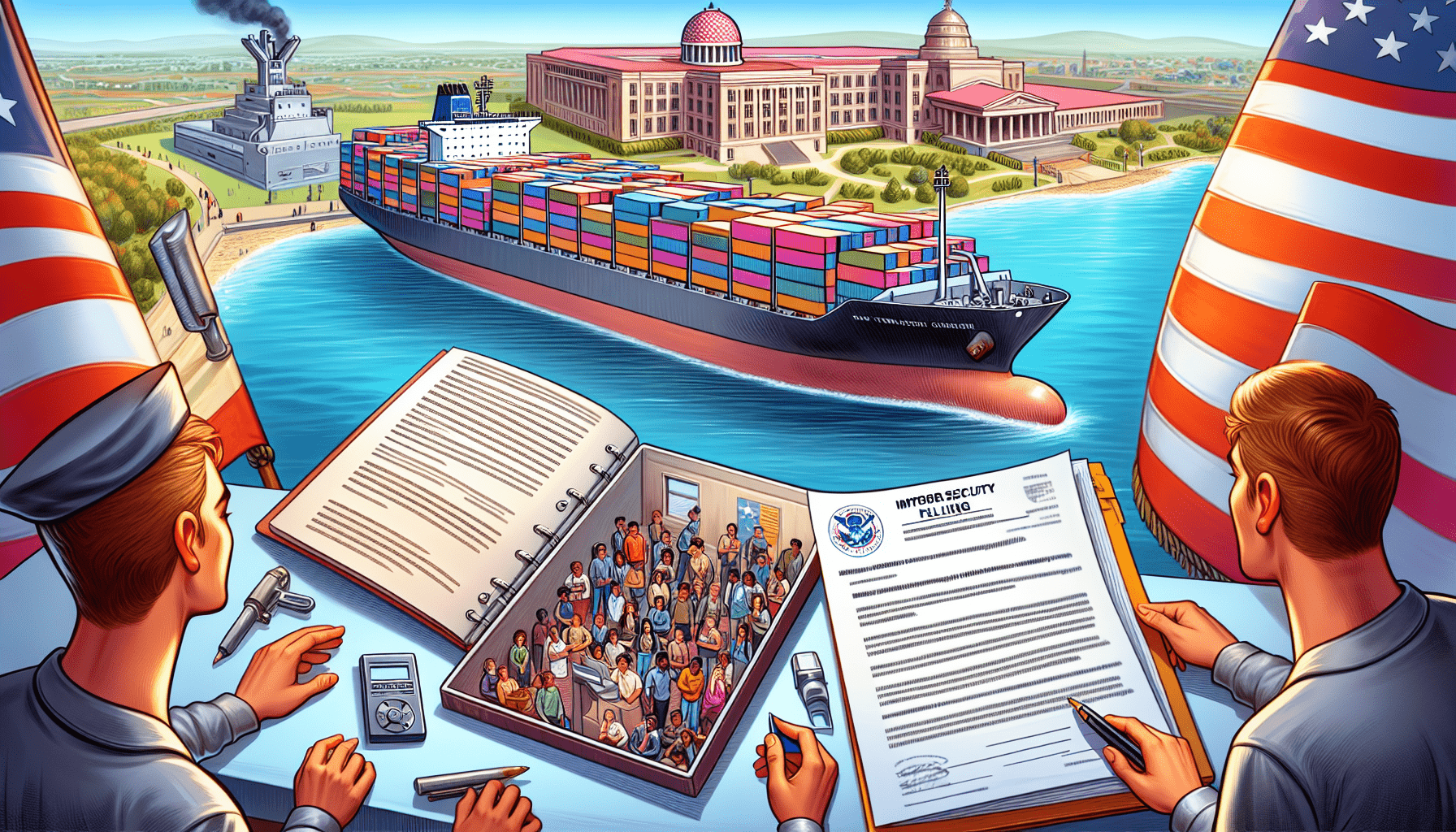
Importing Goods to US Educational Institutions
Importing process for educational institutions
Importing goods to educational institutions involves several steps. First, you need to identify the goods you wish to import and determine their eligibility for importation. Then, you must arrange transportation, either by sea or air, and ensure that the goods comply with all customs regulations. Finally, you must complete the necessary paperwork, including the ISF filing, to ensure proper clearance of the goods at the U.S. port of entry.
Customs regulations for importing goods
When importing goods to the U.S., including those destined for educational institutions, it is essential to comply with customs regulations. These regulations may include restrictions on certain goods, such as controlled substances or hazardous materials. It is crucial to stay informed about any special requirements or permits needed for specific items to avoid any delays or penalties during the importation process.
ISF Filing for Goods Shipped to Educational Institutions
Can ISF be filed for goods shipped to educational institutions?
Yes, ISF can and must be filed for goods shipped to educational institutions in the U.S. As the importer, it is your responsibility to ensure that the ISF is filed correctly to comply with the CBP regulations. Failing to do so may result in penalties or delays in the customs clearance process.
Exceptions or limitations on ISF filing
There are no specific exceptions or limitations on ISF filing for goods shipped to educational institutions. All importers, regardless of the nature of their goods or their destination, must comply with the ISF requirements. It is crucial to understand these requirements and ensure their fulfillment to avoid any potential complications.
Benefits of ISF Filing for Educational Institutions
Streamlined customs process
By filing the ISF correctly and in a timely manner, educational institutions can benefit from a streamlined customs process. Providing the CBP with advance information helps facilitate the clearance of the goods upon arrival, reducing the likelihood of delays and ensuring a smooth importation process.
Reduced risk of penalties and delays
Complying with the ISF filing requirement significantly reduces the risk of penalties and delays in the customs clearance process. By meeting the CBP’s regulations, educational institutions can avoid potential fines, shipment holds, or even the denial of entry for their goods. It is crucial to prioritize timely and accurate ISF filing to mitigate these risks.
ISF Cargo for more Information
Steps to File ISF for Goods Shipped to Educational Institutions
Understanding the ISF filing process
To file the ISF correctly, it is essential to understand the filing process. This involves gathering the required information, completing the necessary forms, and submitting the ISF to the CBP through the Automated Broker Interface (ABI) or other approved electronic data interchange systems. Familiarizing yourself with this process is crucial to ensure compliance.
Information required for filing ISF
When filing the ISF, you will need specific information about the goods, such as the pricing and seller information, as well as details about the vessel carrying the goods. It is important to have this information readily available to complete the ISF filing accurately and prevent any potential errors or delays.
Choosing a qualified ISF filer
To ensure the ISF is filed correctly, it is advisable to work with a qualified ISF filer. These professionals have expertise in the customs clearance process and can accurately complete the ISF on your behalf. Hiring a qualified ISF filer reduces the risk of errors and ensures compliance with the CBP regulations.
Timelines for ISF filing
The ISF must be filed a minimum of 24 hours prior to the cargo being loaded onto the vessel bound for the U.S. It is crucial to meet this deadline to avoid penalties and delays. Failure to file the ISF on time may result in fines or even the refusal of entry for the goods.
Common Mistakes to Avoid While Filing ISF
Incomplete or inaccurate information
One common mistake when filing the ISF is providing incomplete or inaccurate information. It is crucial to ensure that all required data elements are included and that the information provided is correct. Failure to do so may result in penalties or delays in the customs clearance process.
Missing ISF filing deadlines
Missing the ISF filing deadline is another common mistake to avoid. Failing to file the ISF at least 24 hours before the cargo is loaded onto the vessel may result in penalties or the denial of entry for the goods. It is essential to prioritize timely filing to comply with the CBP regulations.
Choosing an inexperienced ISF filer
Selecting an inexperienced ISF filer can also lead to mistakes or non-compliance issues. It is crucial to work with a qualified and experienced ISF filer who understands the requirements and regulations. This ensures that the ISF is filed correctly and reduces the risk of penalties or delays.
Important Considerations for ISF Filing
Costs associated with ISF filing
It is important to consider the costs associated with ISF filing when importing goods to educational institutions. Hiring a qualified ISF filer may involve fees, and there may also be charges for using electronic data interchange systems. It is crucial to budget for these costs and factor them in when planning the importation process.
ISF filing obligations for the importer
As the importer of goods to an educational institution, you have the obligation to ensure that the ISF is filed correctly and in a timely manner. It is essential to understand the requirements and fulfill them to comply with the CBP regulations. Failing to meet these obligations may result in penalties or delays in the customs clearance process.
Conclusion
In conclusion, filing the ISF correctly is crucial when importing goods to educational institutions in the U.S. Compliance with the CBP regulations enhances the security of the nation’s borders and ensures a smooth customs clearance process. By understanding the ISF requirements, working with qualified ISF filers, and meeting the filing deadlines, educational institutions can minimize the risk of penalties and delays, streamline their importation process, and prioritize compliance. It is essential to stay informed about any updates or changes in the ISF regulations to maintain adherence and avoid complications in importing goods to educational institutions.
Learn more about How to file ISF for U.S. imports. Know more for ISF bond submission. Feel free to logistics compliance Contact. Return to Importer Security Filing company USA.